
.jpg)
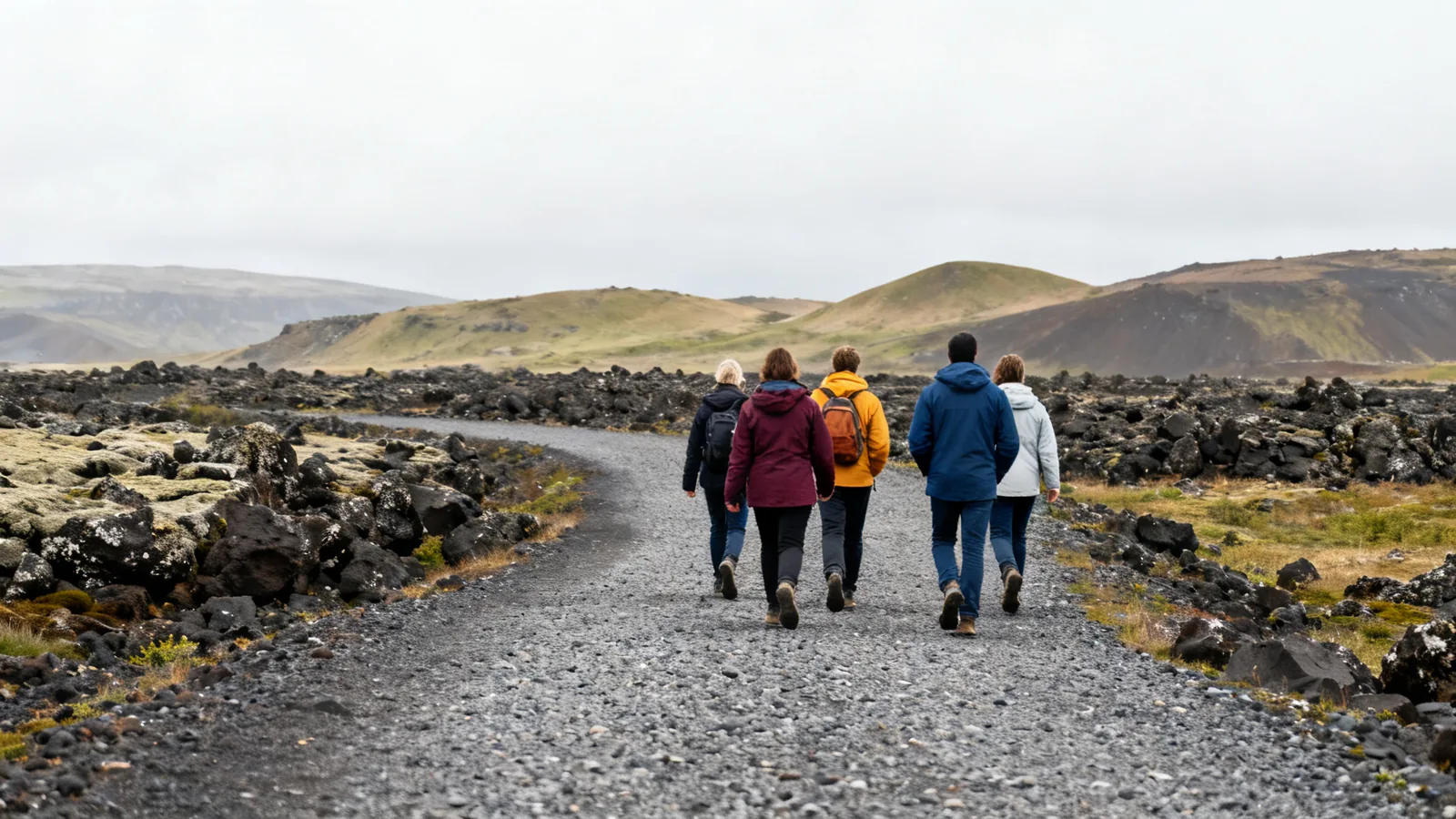
Ranger walks or a guided day?
Compare a seasonal park programme with paid excursions that include transport.
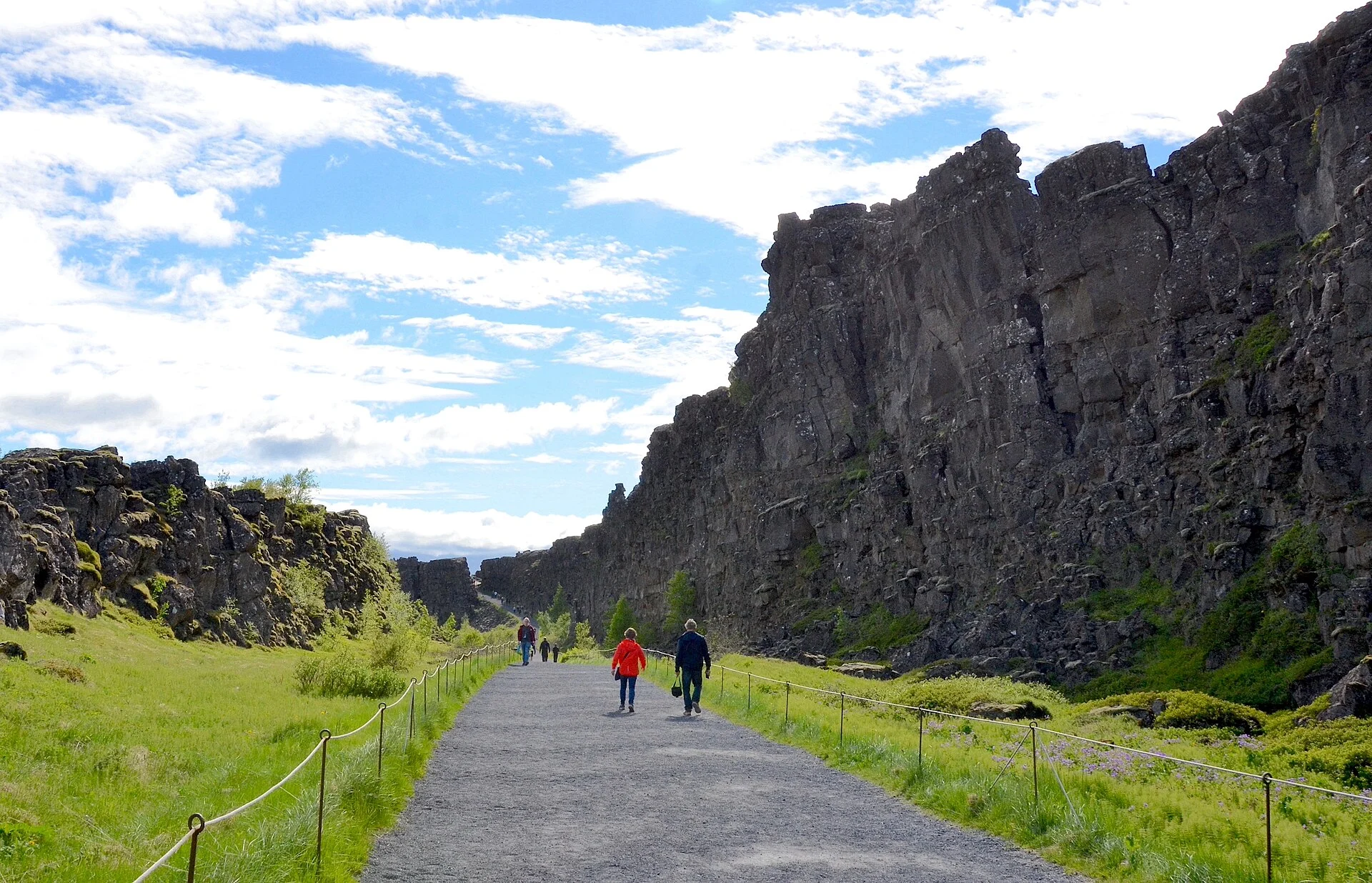
Independent guide to Þingvellir
Walk the assembly grounds, read the rift valley and choose the right visit.
Thingvellir National Park brings two stories into the same walk: Iceland's old assembly and a valley split by faults. You can see rock walls, water-filled cracks, the church and the meeting grounds without treating every stop as a distinct day trip. The first choice is what you want to do on land. Silfra is a different activity with its own rules and meeting plans.
Start with the old meeting area for a walk that links history with visible geology. Add the church or lake views to suit your interests. A Silfra booking needs its own time and entry rules checks. Parking, the visitor exhibition and paid trips are distinct services. Check the park's latest notices before you travel, then choose a guided excursion only if its route fits your day.
Last fact checked: 14 October 2026. This is an independent visitor guide, distinct from the park authority.
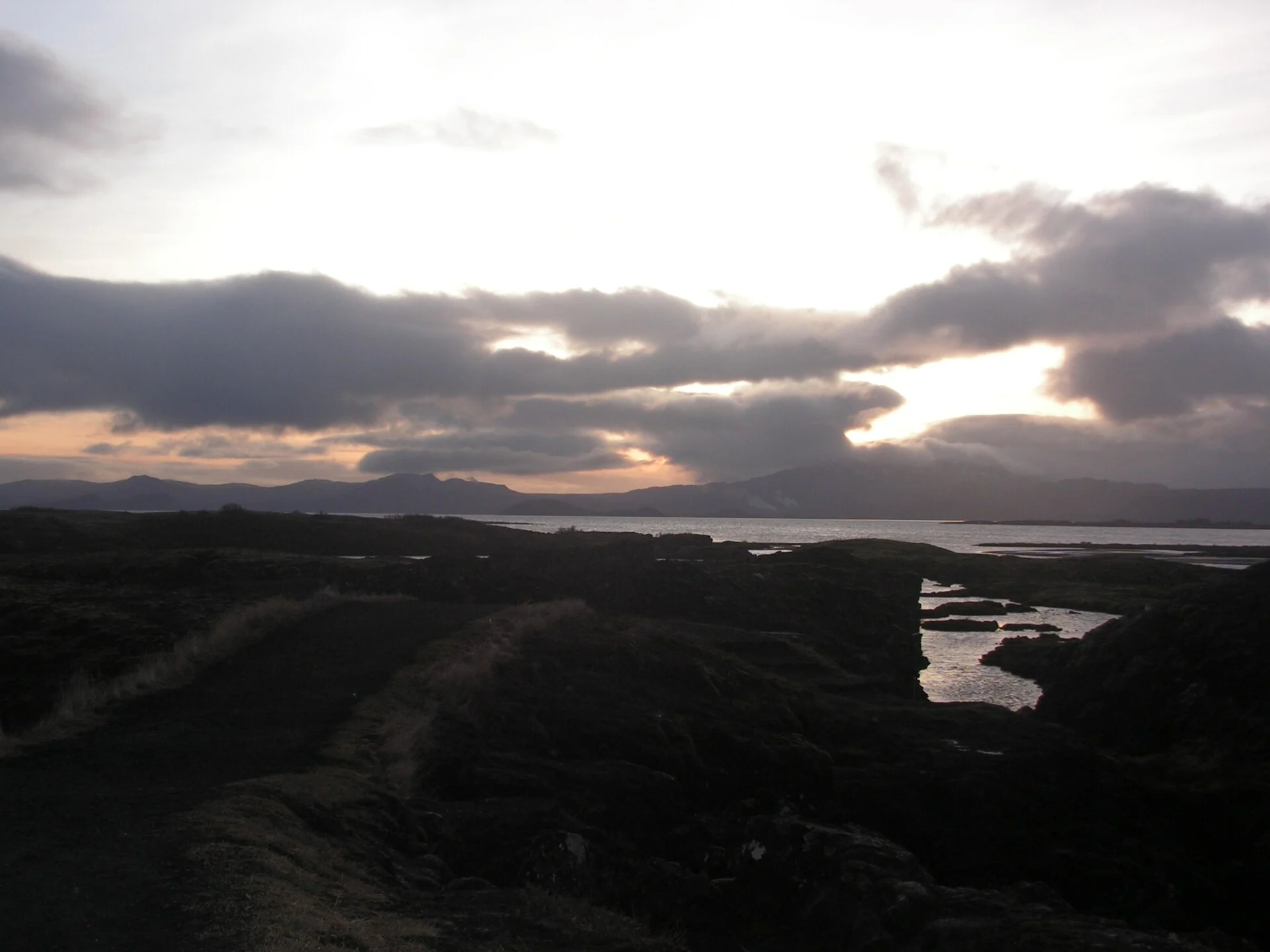
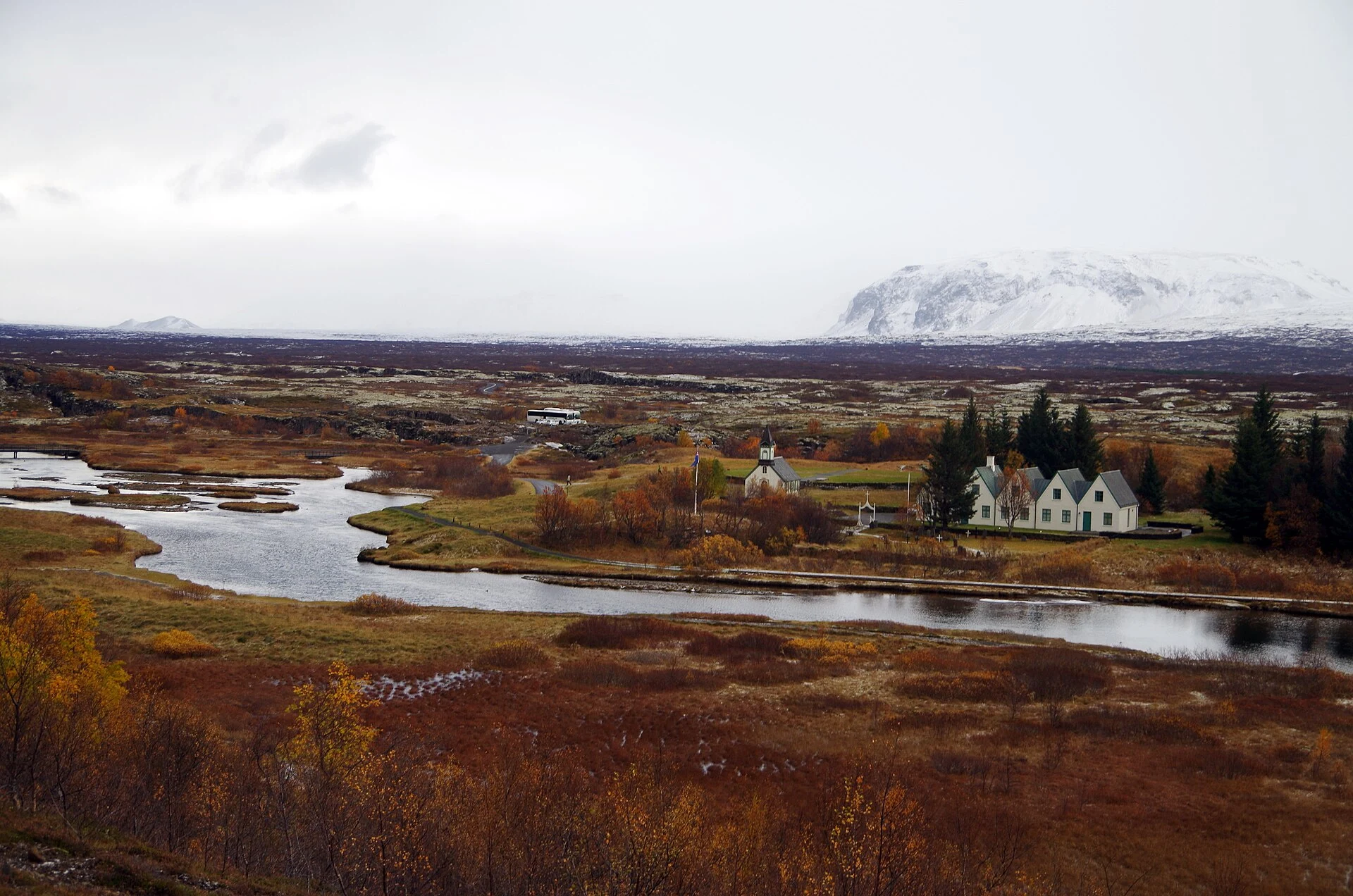
The park is in southwest Iceland. Its Icelandic name is Þingvellir, often written Thingvellir in English. The name refers to the assembly plains. Those plains form part of a rift valley, where movement in the Earth's crust has left faults and cracks visible at the surface.
The official park website is the source for access and local notices. UNESCO's site record explains the World Heritage designation and the remains of the Alþing. The designation rests on cultural history. It does not mean that all paths are open or that an activity has been checked for your needs.
The Alþing first met here in 930. It remained an outdoor assembly at this site until 1798, according to UNESCO. Laws, disputes and public notices gave the place a purpose far beyond its views. The former gathering area contains booth remains, not an intact parliament hall.
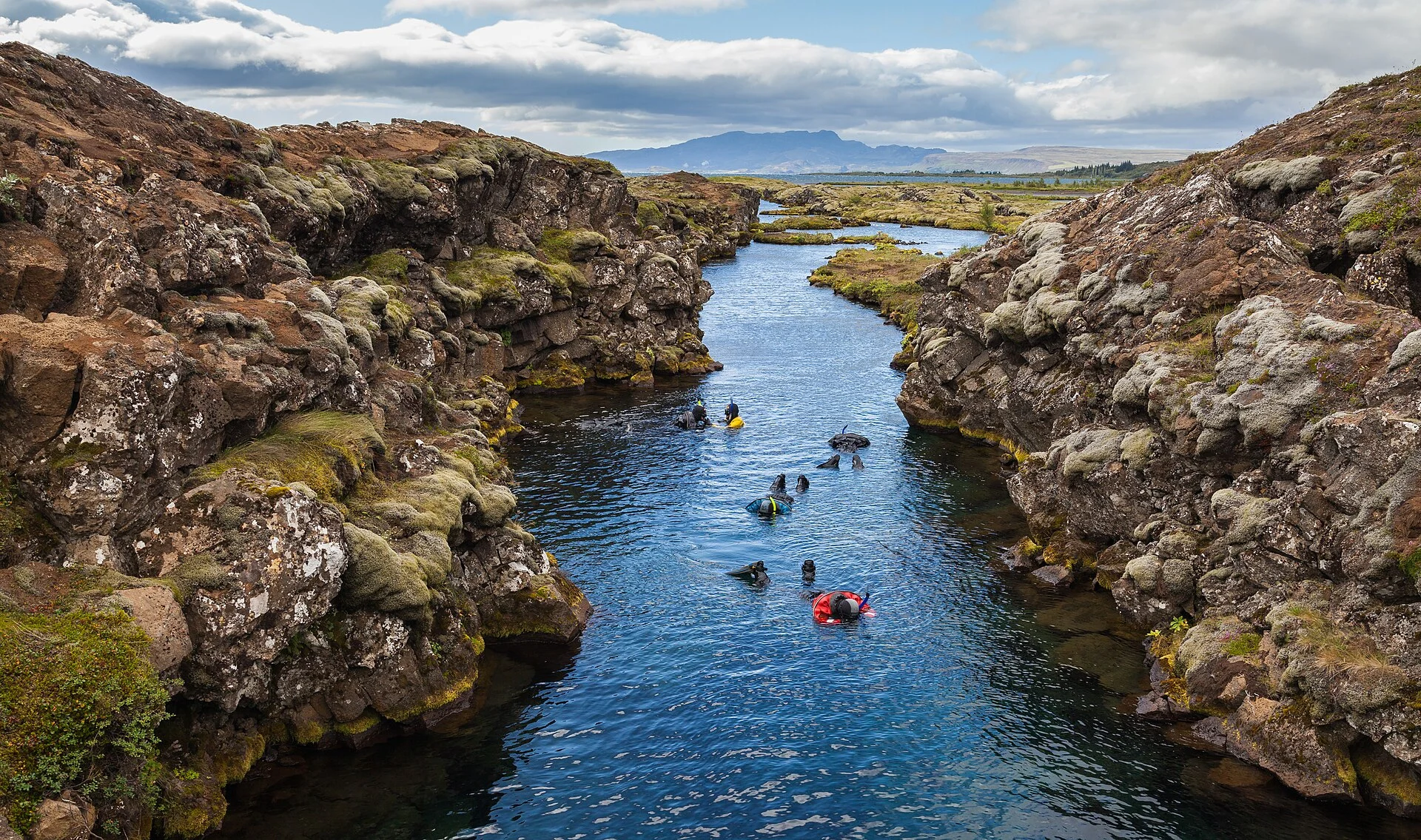
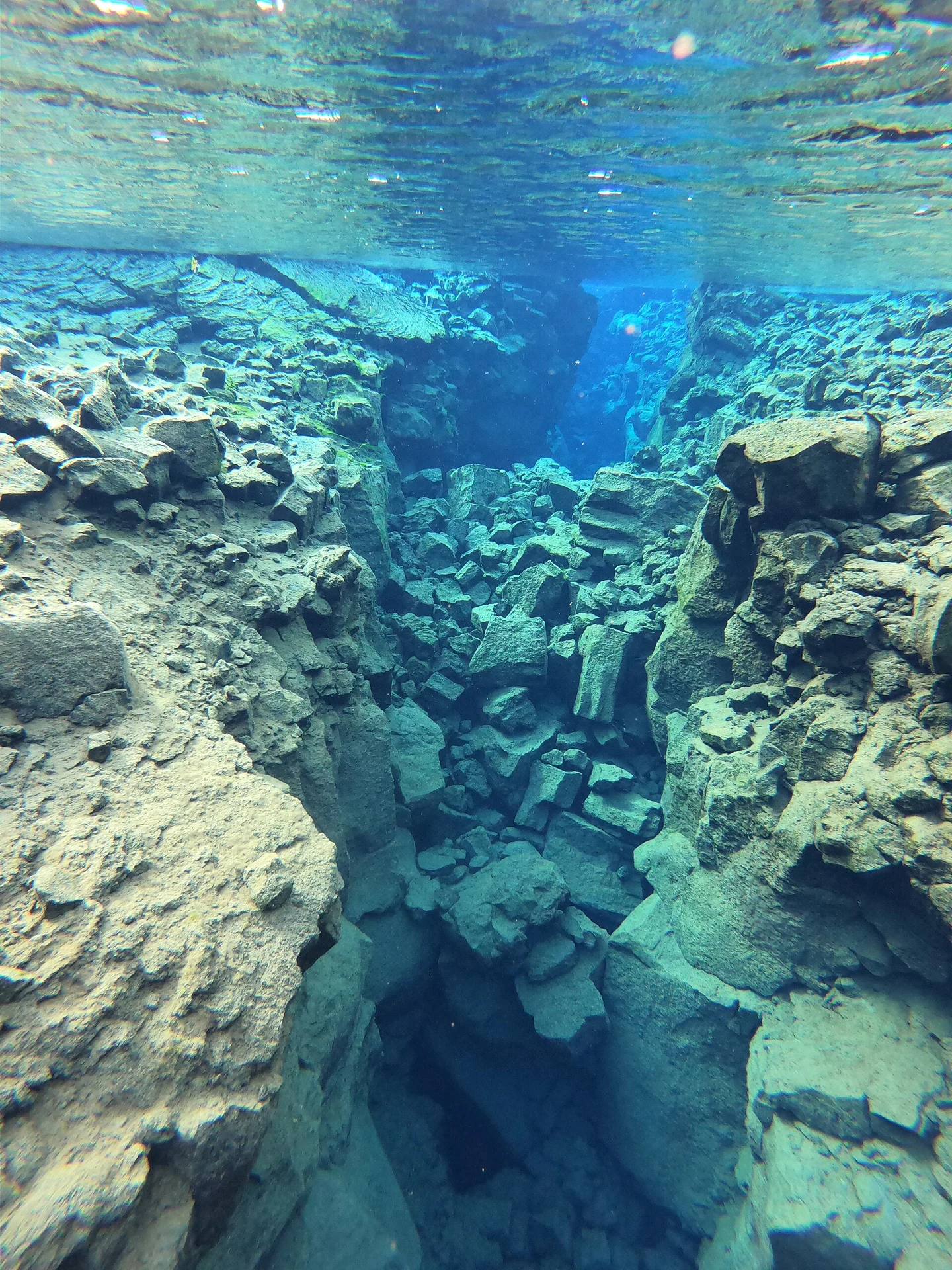
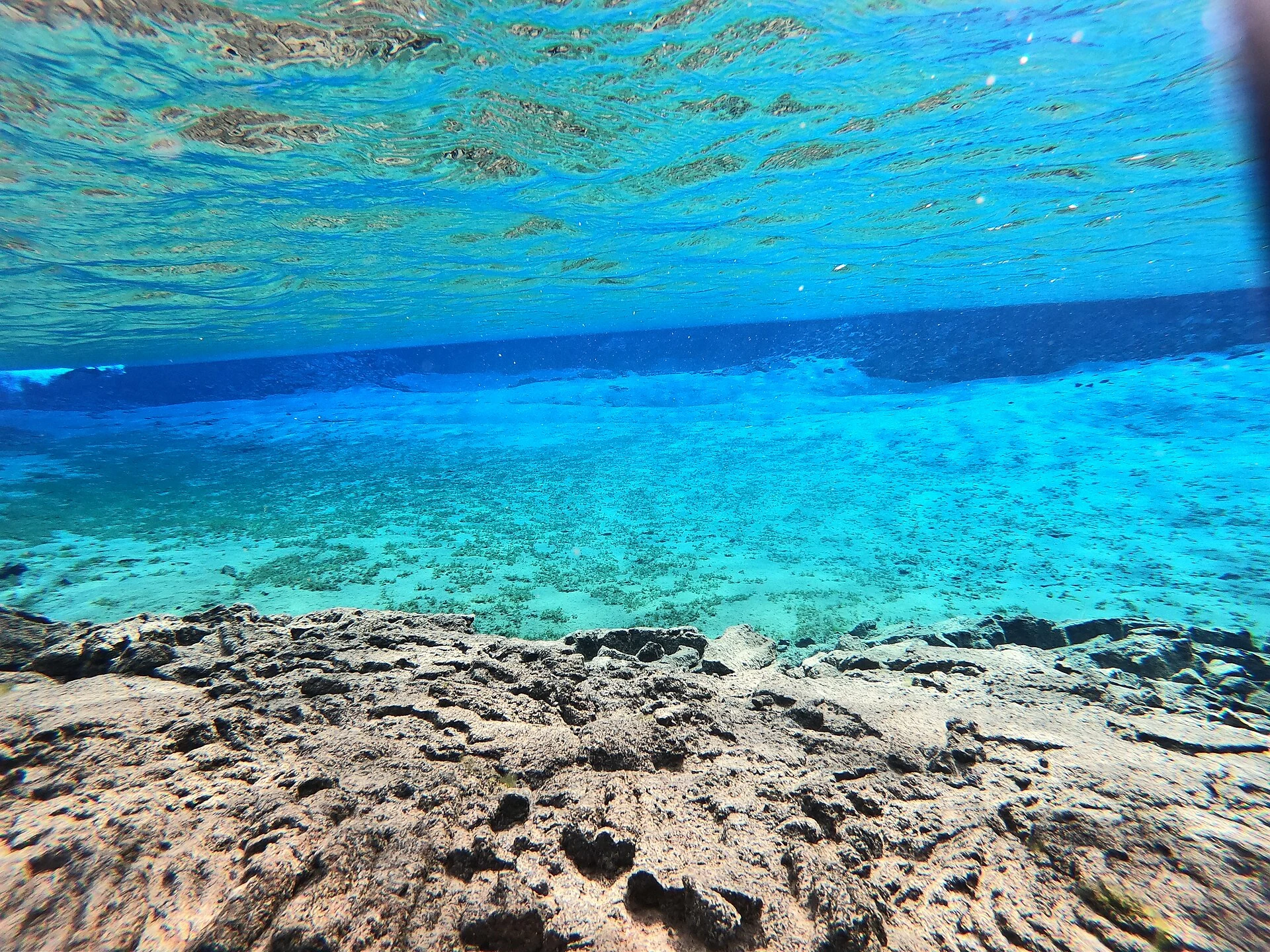
The geology needs the same care. Þingvellir lies within Iceland's active rift system. Almannagjá is a fault you can see on land. Silfra is a water-filled fissure within the wider zone. The facing walls of one crack are not a simple pair of continents you can label from a photo.
Read the tectonic plates account before your walk if that distinction matters to you. Its reference diagram separates the broad process from the named features. The park's Silfra account also corrects common claims about the fissure's age and position.
Use a short list of priorities rather than trying to see every named place at once. The meeting grounds reward a slow walk. A lake view may be enough if you want a quiet stop. A booked water activity asks more of the day's schedule and your preparation.
Choose an arrival point from the park's latest map. The official parking service page names P1 at Hakið, P2 at Efri-Vellir and P5 at Valhöll. These serve different parts of the old meeting area. A booking may specify a meeting point that is more useful than whichever lot appears first in a route app.
The park charges a parking service fee in designated lots. Its checked page states that payment covers the day in P1, P2 and P5. Check the vehicle category and payment instructions at the source. Do not assume that a tour ticket, exhibition ticket or hotel stay covers your car.
The visitor centre at Hakið and the service centre at Leirar have different jobs. The visitor centre provides displays and details near the viewing platform. The Leirar service centre is by the campsite area. A direction that says only “the centre” can send you to the wrong place.
Build your time around walking needs and the weather, with any fixed meeting time in mind. Leave room for reading signs and using services before you return to the car. A guide's trip time is a deadline; a suggested sightseeing duration is only an estimate. If you book an activity, use the supplier's check-in time rather than a broad estimate from a park overview.
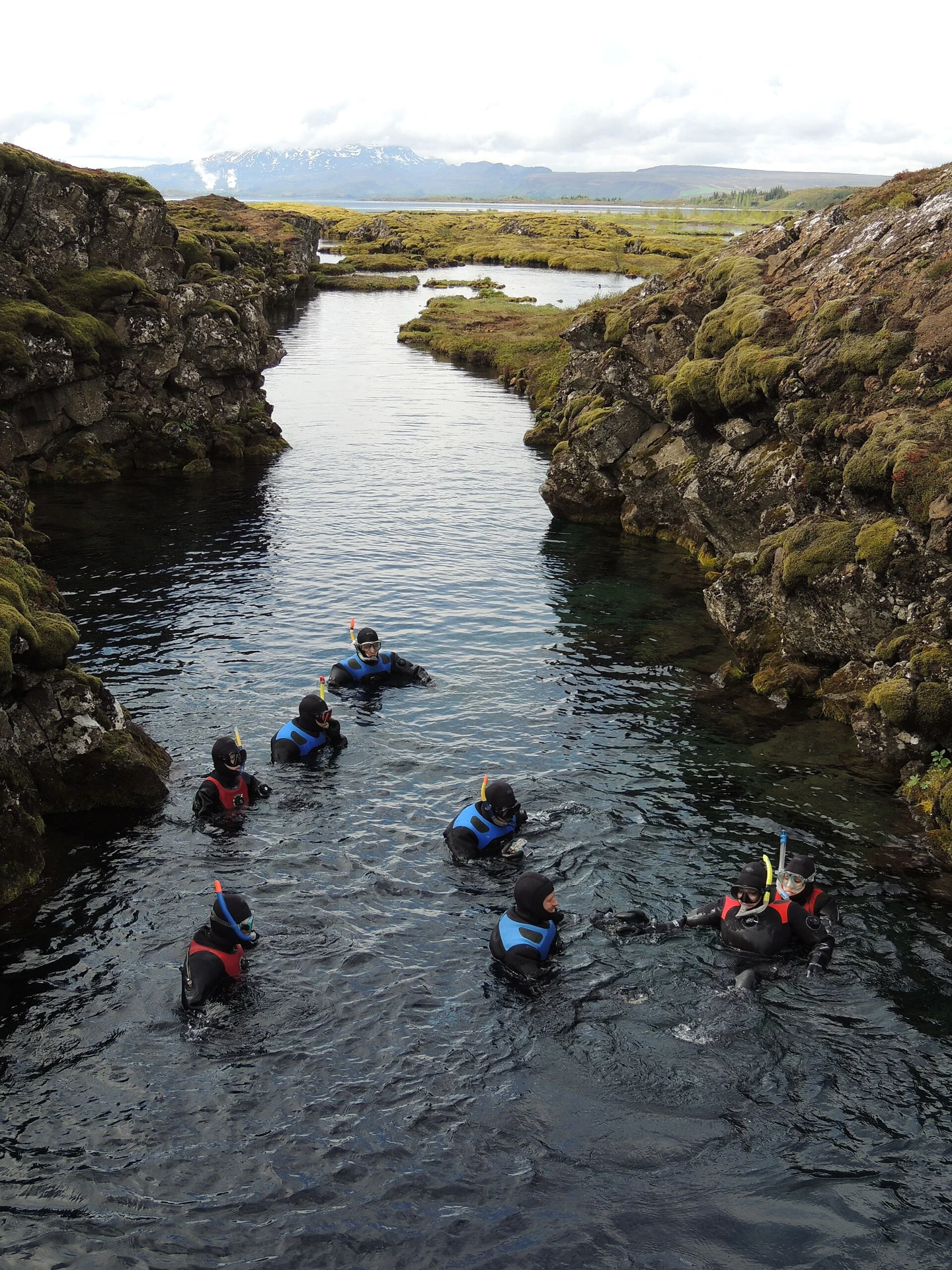
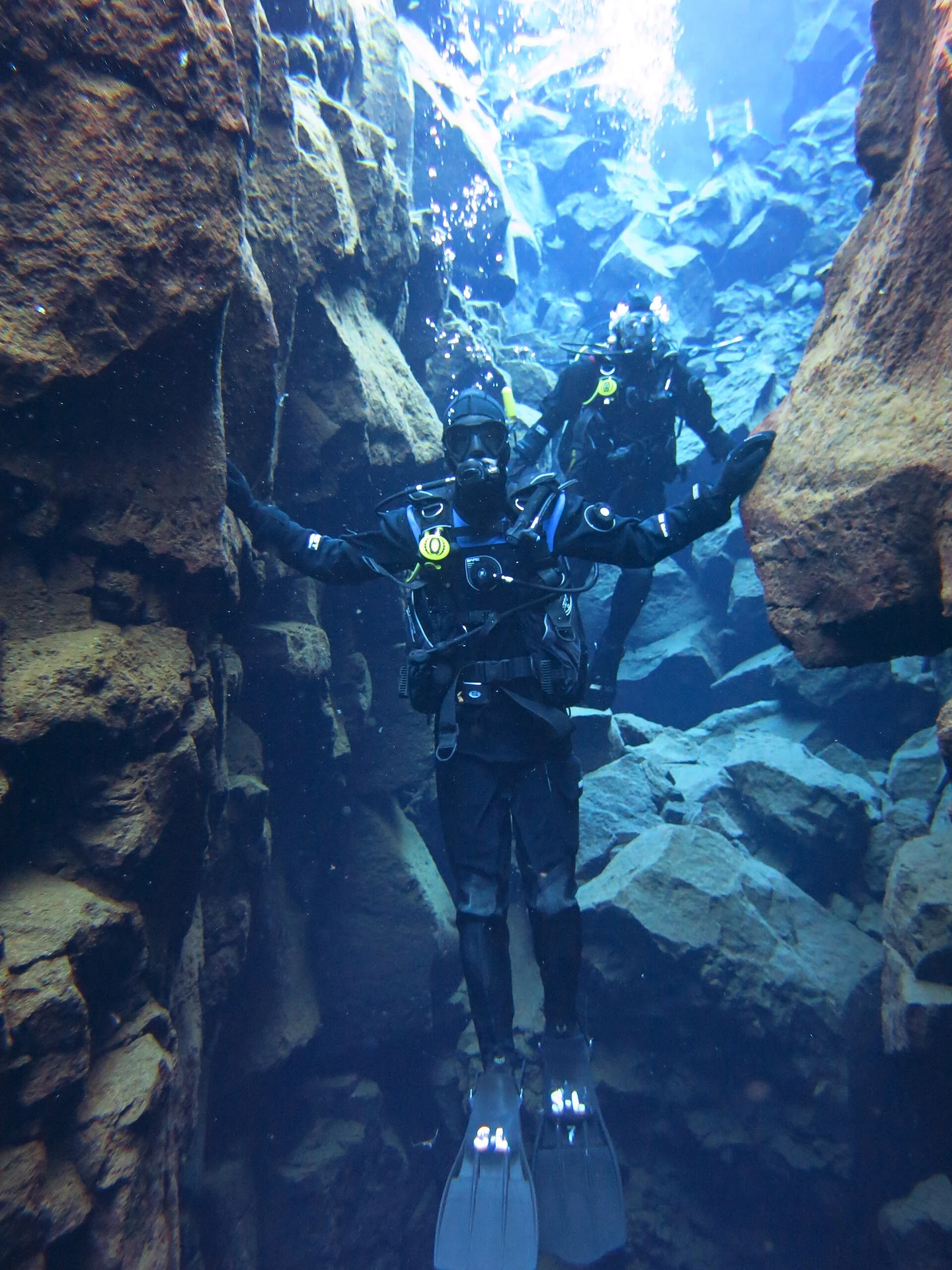
Silfra is within the park but is not part of an ordinary self-guided walk. Snorkelling and diving need distinct preparation. Use the park's diving page to check rules. The named operator sets its own equipment, age, size, medical and skill rules within those rules.
Do not infer entry rules from a photo of another visitor. A child who can swim may still fail a supplier's minimum age or equipment fit. A diver's certificate may need further checks. Read the exact activity terms, and ask the operator about anything unclear before paying.
The Silfra snorkeling guide compares the activity and named formats. The separate Silfra diving guide explains scuba proof and site rules. Start with the conditions for the guests, then choose transport and the rest of the park day.
The Oxararfoss walking guide explains parking and the return. Use it for a waterfall within the park. It is a separate task from finding the drowning pool along the same river.
Use the Thingvellir National Park weather guide to separate the current forecast from road and path notices before choosing the day.
For a land-based visit, the main paid-tour question is transport and time at the park. Some excursions combine Þingvellir with other Golden Circle stops. Others focus on a smaller area. A long total tour duration does not tell you how long you will walk here.
Use our Thingvellir tours comparison to compare ranger walks, coach outings and smaller vehicle trips. It sets out what each suits and what you give up. Tour choices should follow your interests, rather than turn a history stop into a rushed detour.
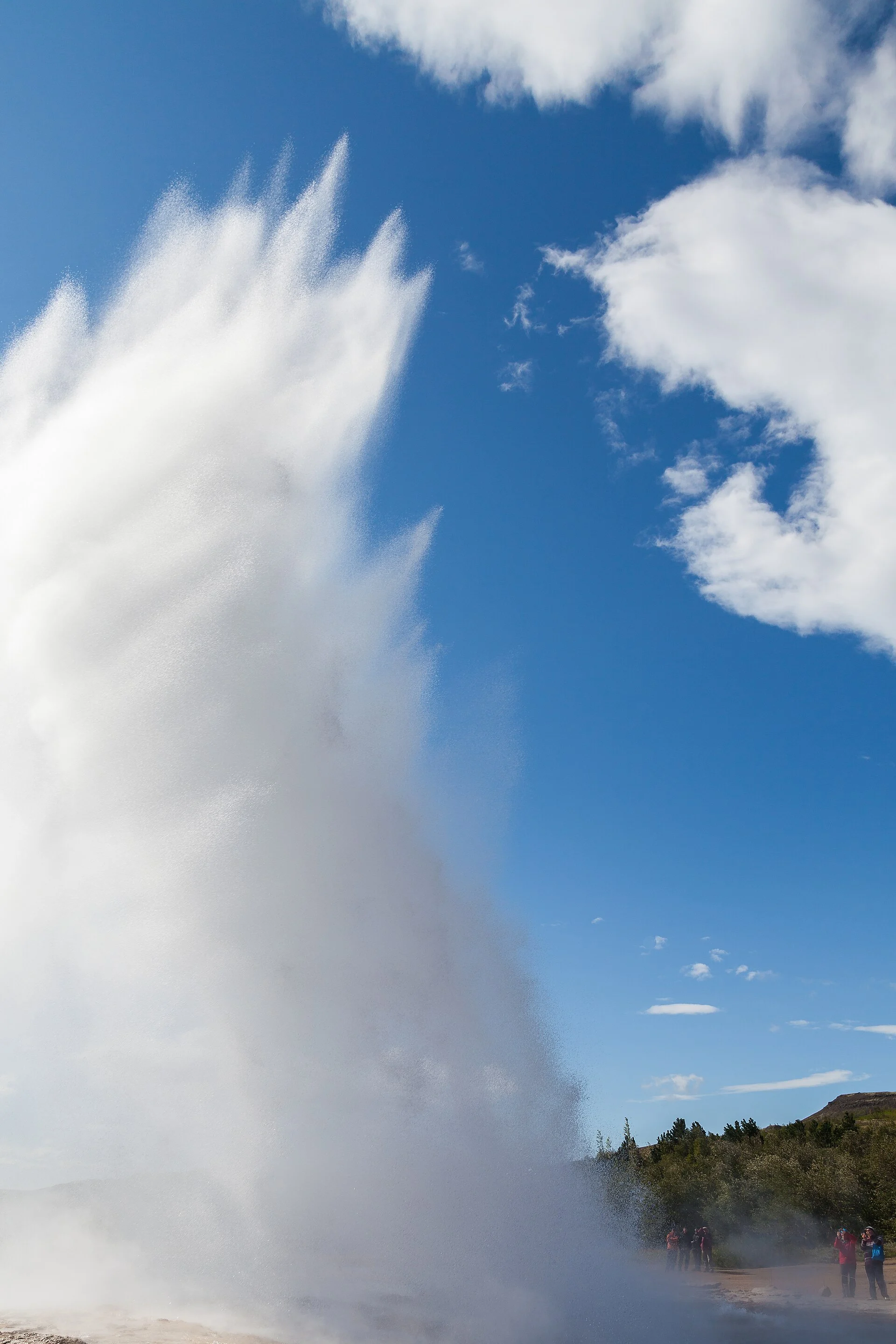
For an active hot-spring stop, read the Strokkur viewing guide and its Geysir area account. The Gullfoss waterfall guide compares a separate river stop and its viewing choices.
The Golden Circle commonly joins Þingvellir with the Geysir area and Gullfoss. A combined excursion can remove the driving task, but shares the day among several places. Check the actual stop list and park time. “Golden Circle” is a route name, not a promise of one fixed timetable.
An overnight stay changes that choice. You may prefer a Reykjavík base for city evenings, or a rural stay for a route that continues through south Iceland. Neither is best for everyone. Our hotels near Thingvellir comparison starts with location and room type, then looks at the useful limits.
This website is an independent planning guide. The park authority's website is thingvellir.is. Use that source for latest notices, permits and operating rules. Our articles explain the choices in plain English and link to the relevant official pages, so you can check the facts that affect your own visit.
The park has marked walking routes and signs for independent visitors. A guided excursion is a distinct choice, often useful for transport or a guided account. Parking and other paid services still need their own checks. Do not treat the lack of a tour booking as a reason to skip the official access details.
No. The park publishes seasonal church access that depends on a ranger being present. Winter entry is tied to irregular services rather than normal sightseeing hours. An exterior visit and an interior visit are different plans. Check the official church page before making entry the main reason for your trip.
You can see faults and a rift valley shaped by movement in the Earth's crust. That does not make each wall the edge of a distinct continent. Read the park's geology account and keep the wider zone in mind. The marked paths let you view the features without stepping into cracks.
Give Thingvellir National Park a clear purpose in your day: history, visible geology or a separately booked activity. Start with the land route, check latest access, then decide how transport and overnight plans fit. A focused walk with time to read the signs can serve you better than a crowded list of stops.
Transport and pace
Compare what each guided route does for a park visit.
Compare a seasonal park programme with paid excursions that include transport.
The grounds in context
Cliffs, low ruins and a later church tell different parts of the same place.
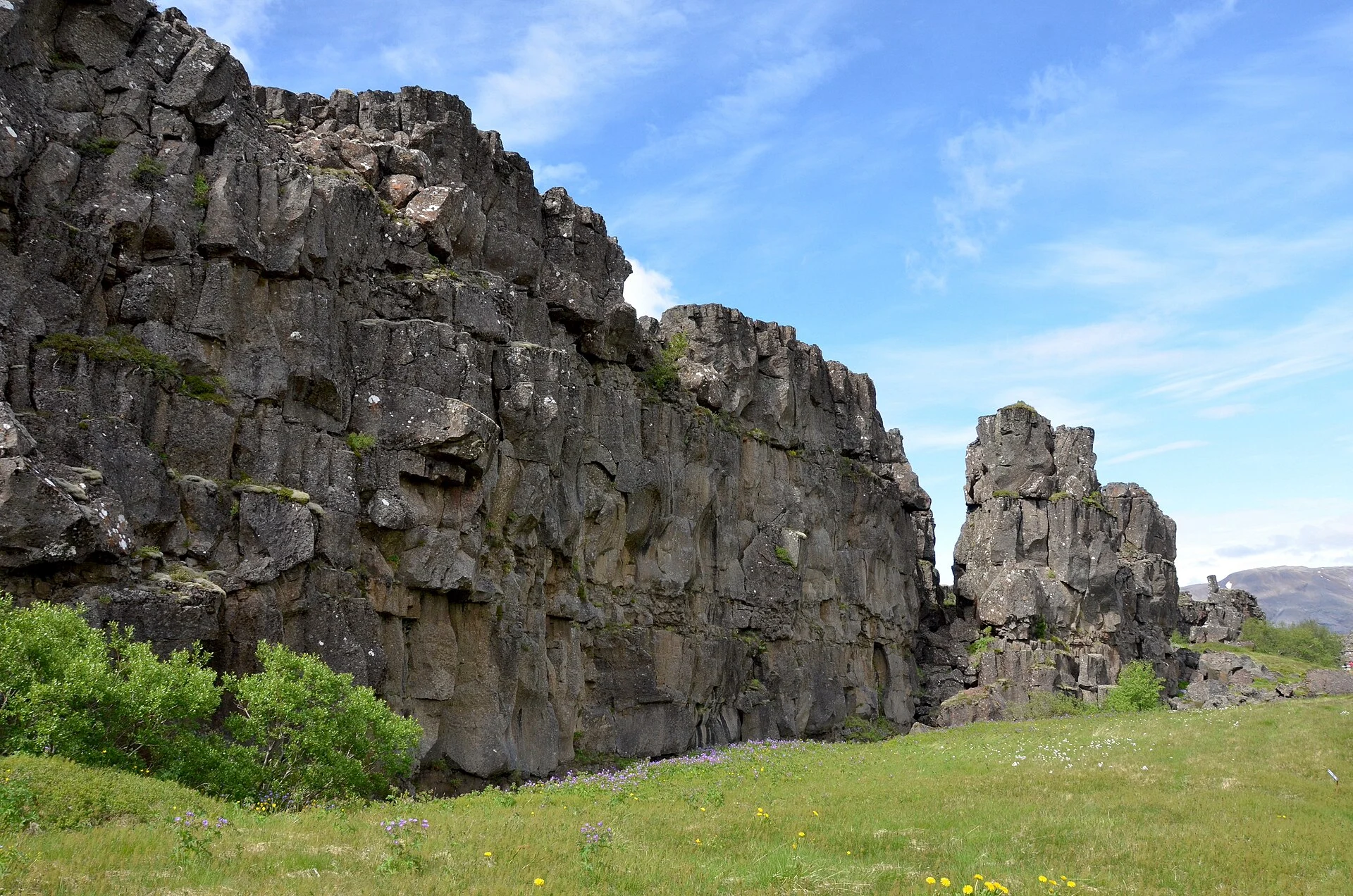
See what faults explain, and what one narrow crack cannot prove.
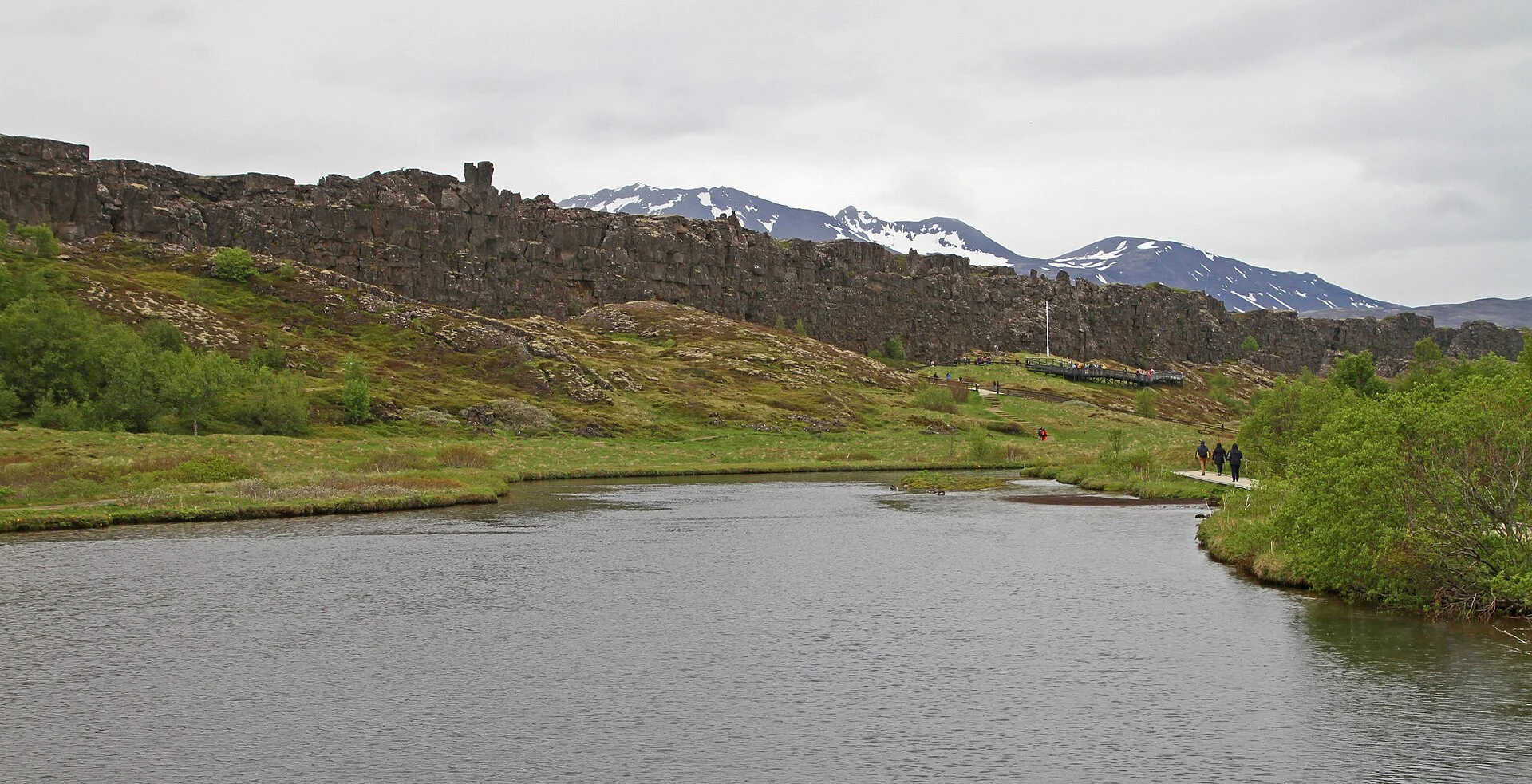
A dated account of laws, speech and the remains under the grass.
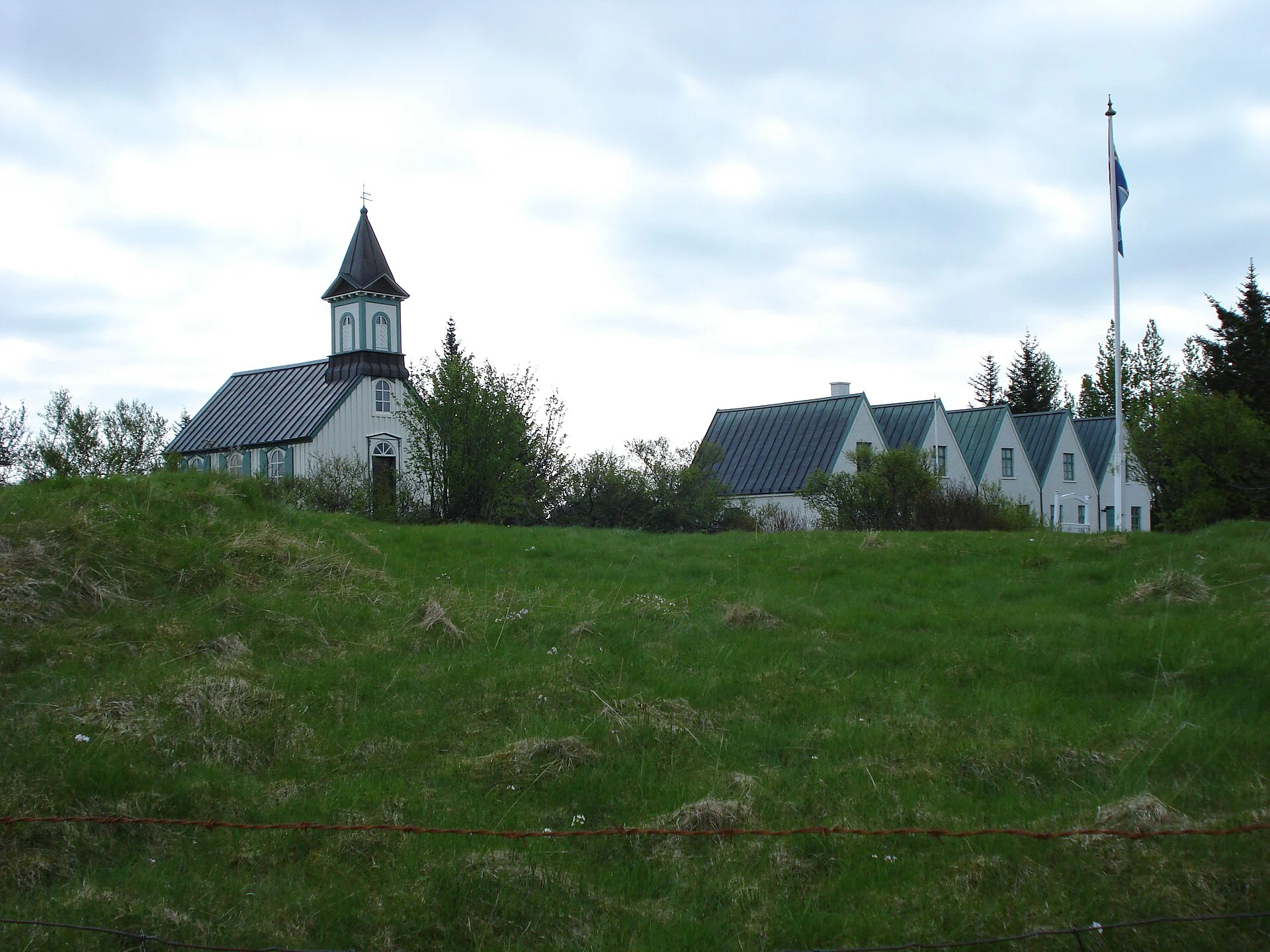
Separate the present building from its older tradition and seasonal entry.
Compare the park’s ranger programme with paid transport and wider Golden Circle days.
Compare the guided choicesKeep a useful guide close
Use the named-place accounts alongside the official park map and notices.
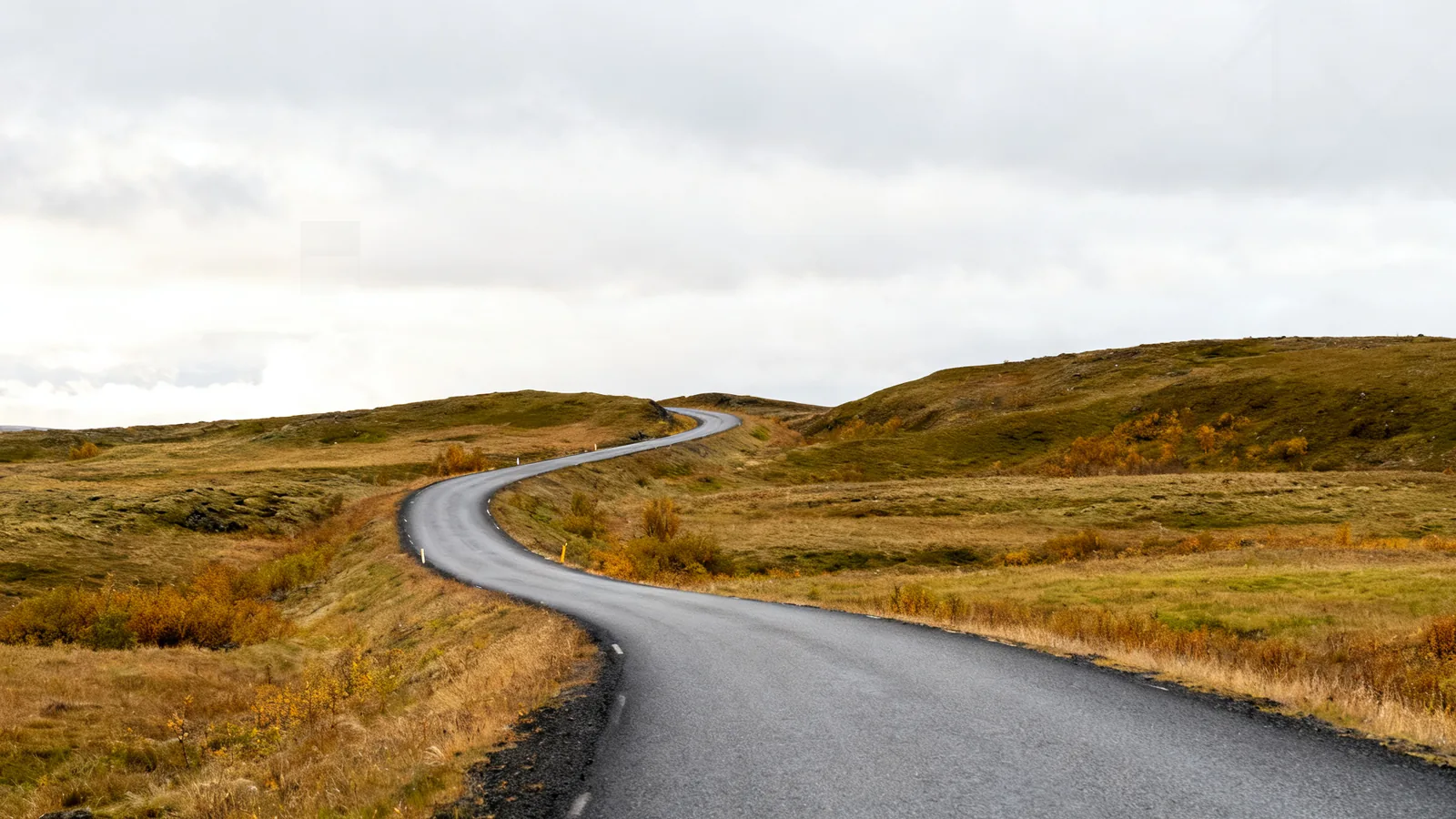
Plan Iceland's Golden Circle around Thingvellir, Geysir and Gullfoss. Compare the route, transport, seasonal limits and useful overnight bases.
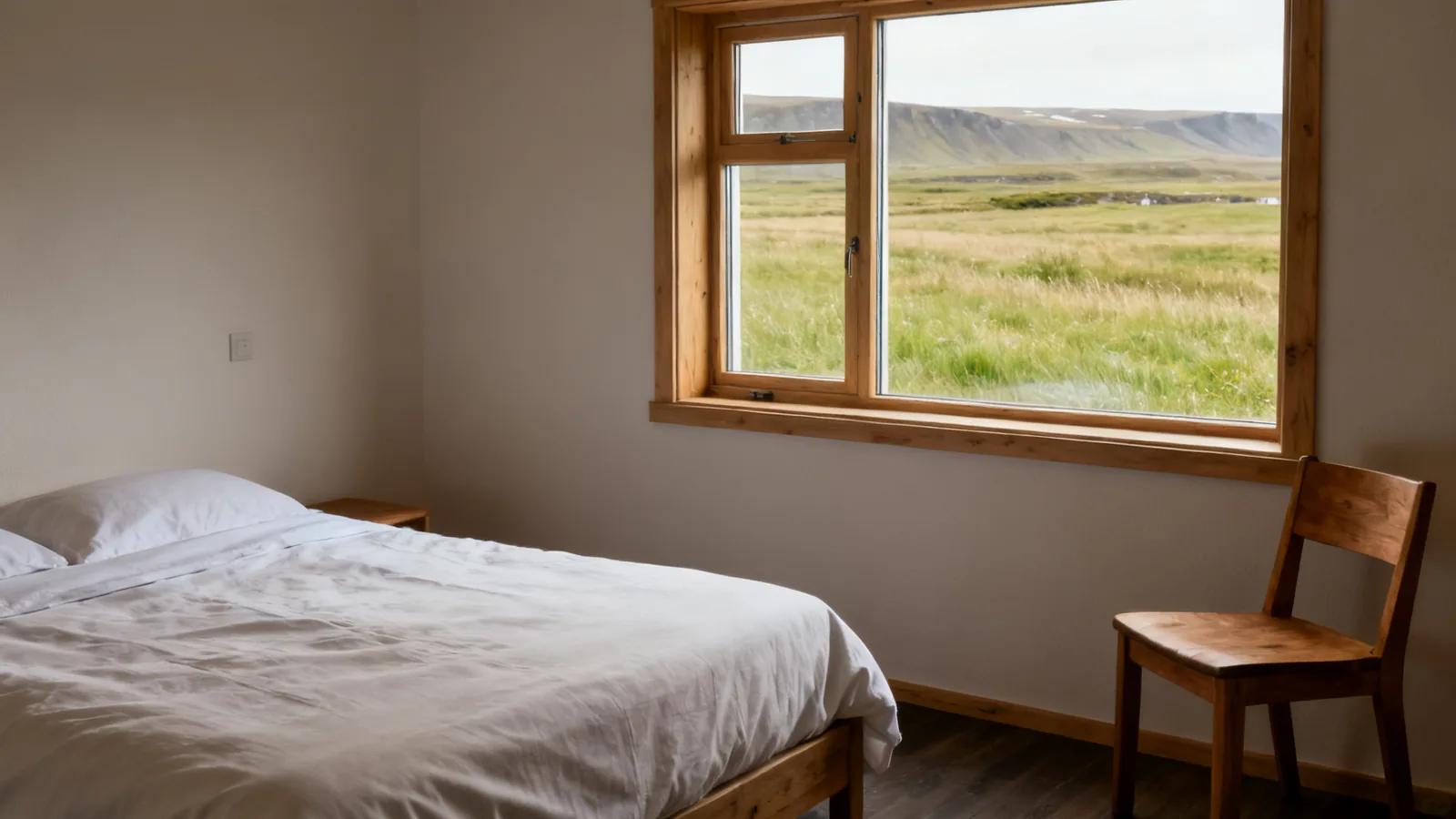
Compare Hotel Geysir, Efstidalur and Heradsskolinn by route fit, room format, meals and arrival. Choose the overnight base before the room rate.
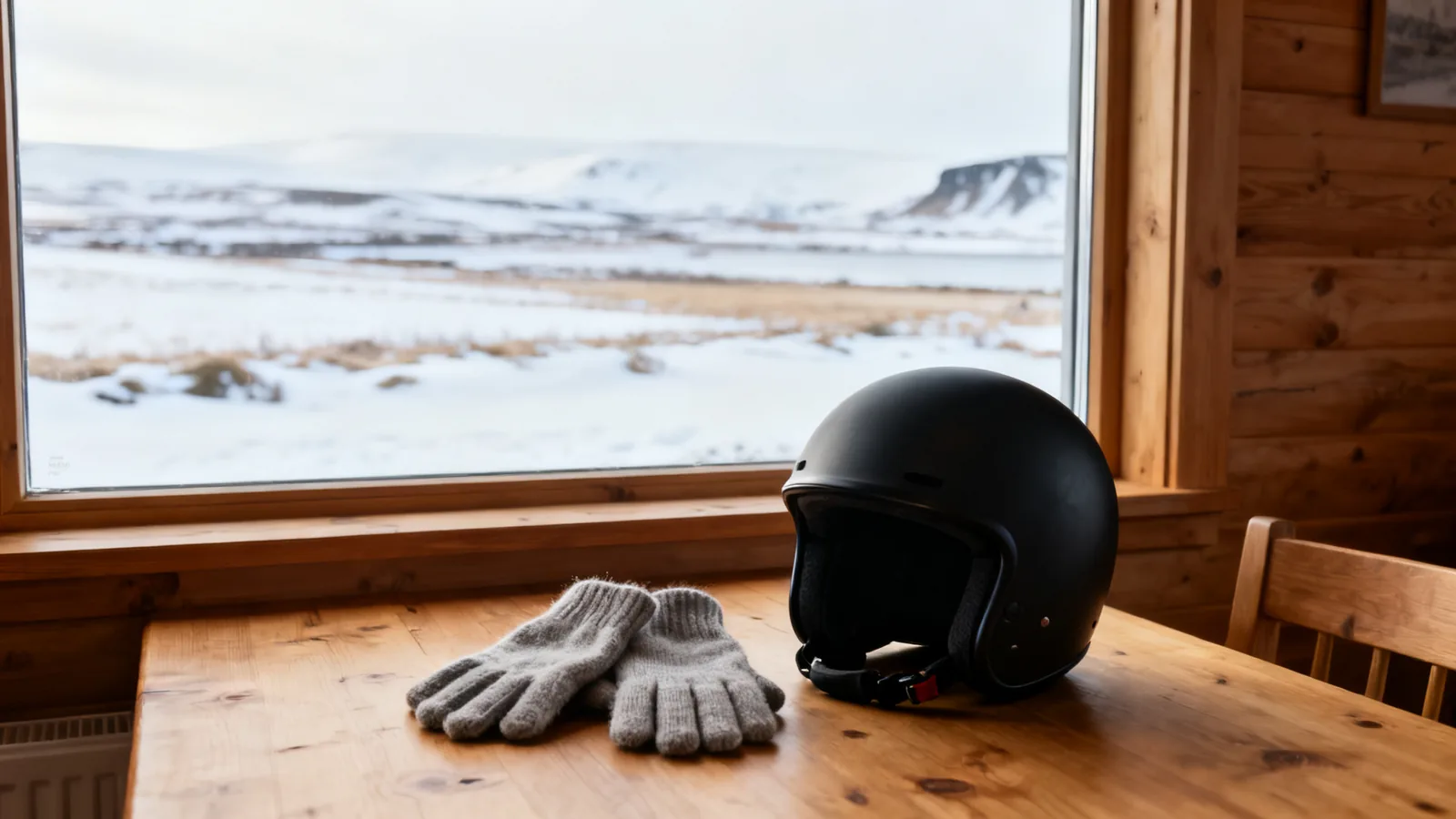
Compare Golden Circle snowmobile combinations by transport, glacier transfer, rider rules and equipment. Distinguish full-day trips from Gullfoss check-in.

Find the Golden Circle roads and core sights on a geographic map. Place optional stops, exact arrivals and an overnight endpoint before timing the drive.

Build a park-first Golden Circle day with separate driving, walking and buffer budgets. Plan meals, open views and a realistic return before adding extras.
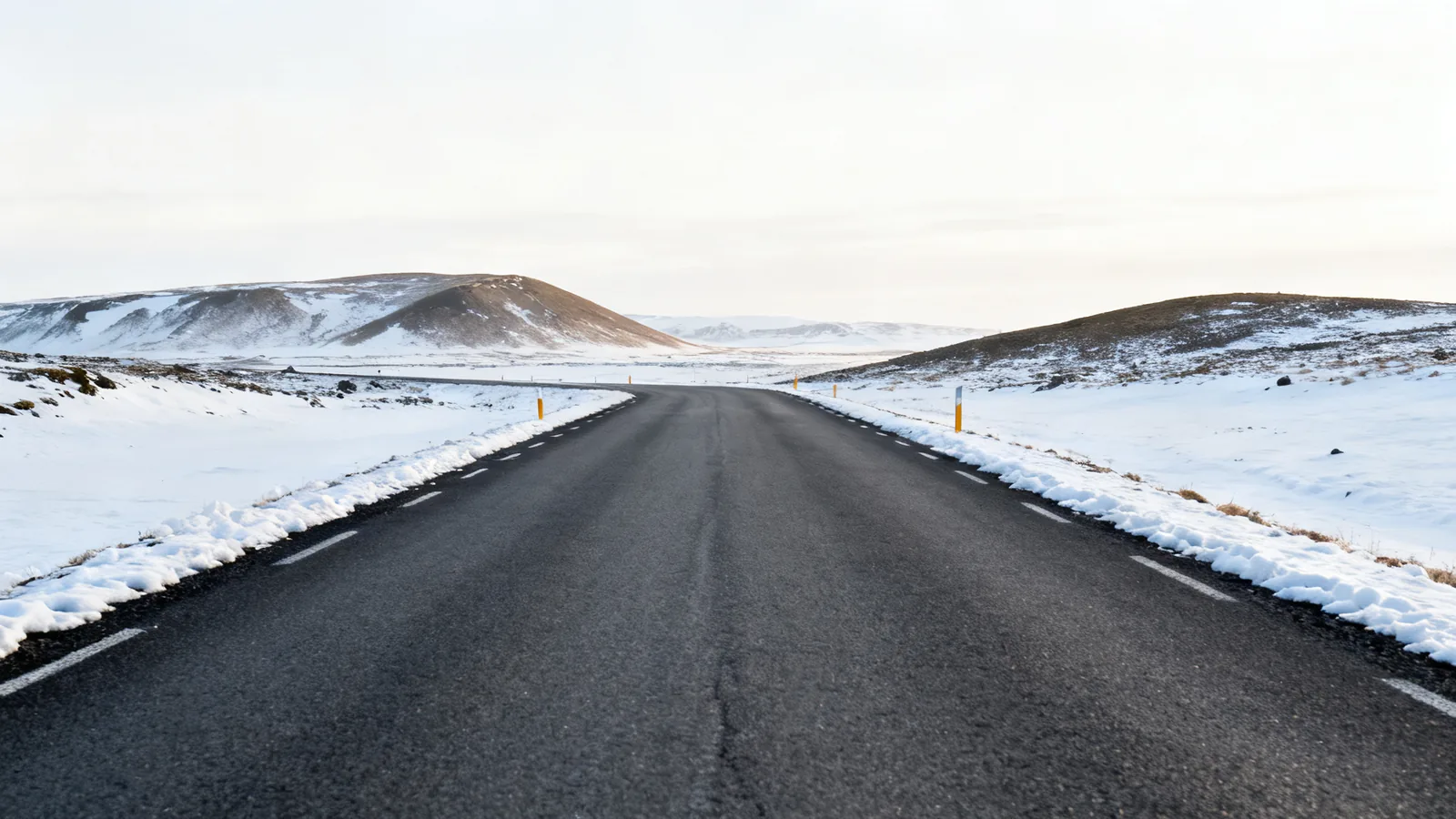
Plan a winter Golden Circle day with official road checks, usable daylight and open paths. Compare driving, guided transport and a flexible core-stop plan.
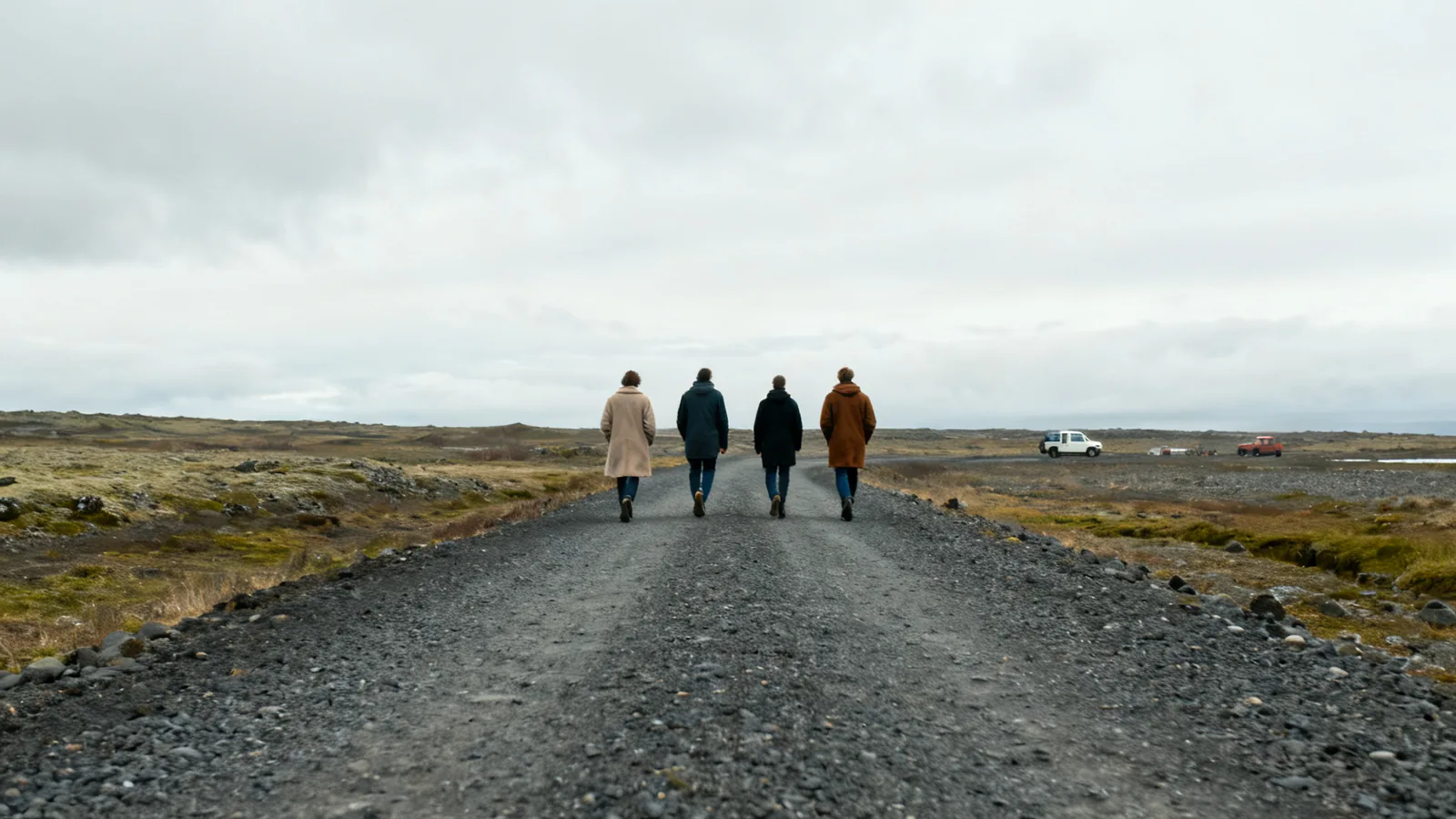
Compare Arctic Adventures, BusTravel and EastWest small-group Golden Circle days by passenger cap, park walk, pickup, meals and added stops.

Pack layers and sturdy footwear for Golden Circle walks, waiting and spray. Separate sightseeing clothes from the exact equipment list for a booked activity.
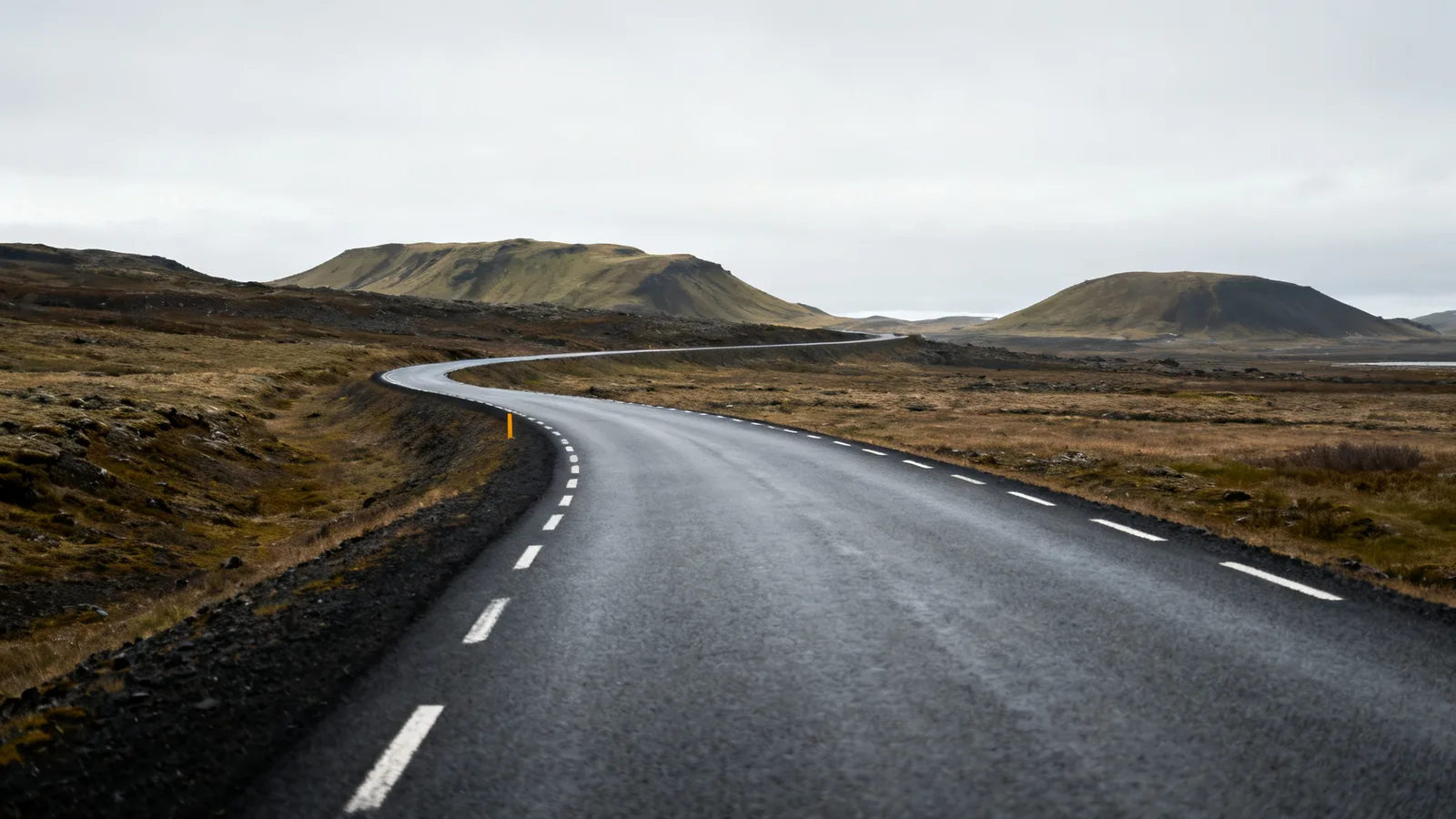
Compare the Golden Circle regional visit with a Ring Road holiday by useful days, transport, overnight bases and the place of Thingvellir in the trip.
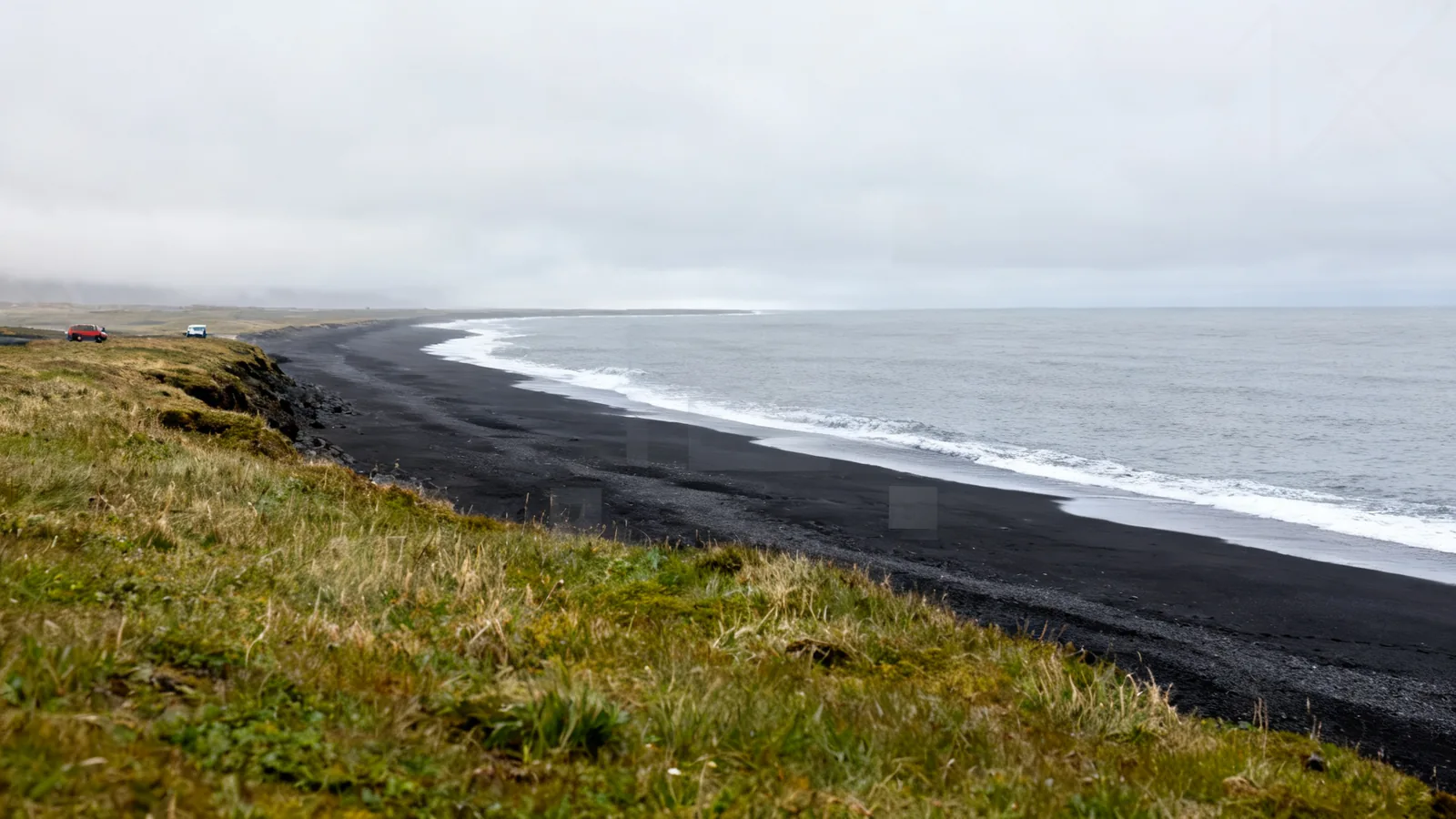
Choose a Golden Circle or South Coast day by the places you want to visit. Compare park history, coastal sights, walking time and the complete return.

Compare shorter Golden Circle departures, including Arctic Afternoon and Golden Circle Direct. Check the core stops, pickup and full elapsed day.

Decide whether the Golden Circle fits your interests. Weigh Thingvellir history, hot springs and Gullfoss against crowds, time and another regional day.
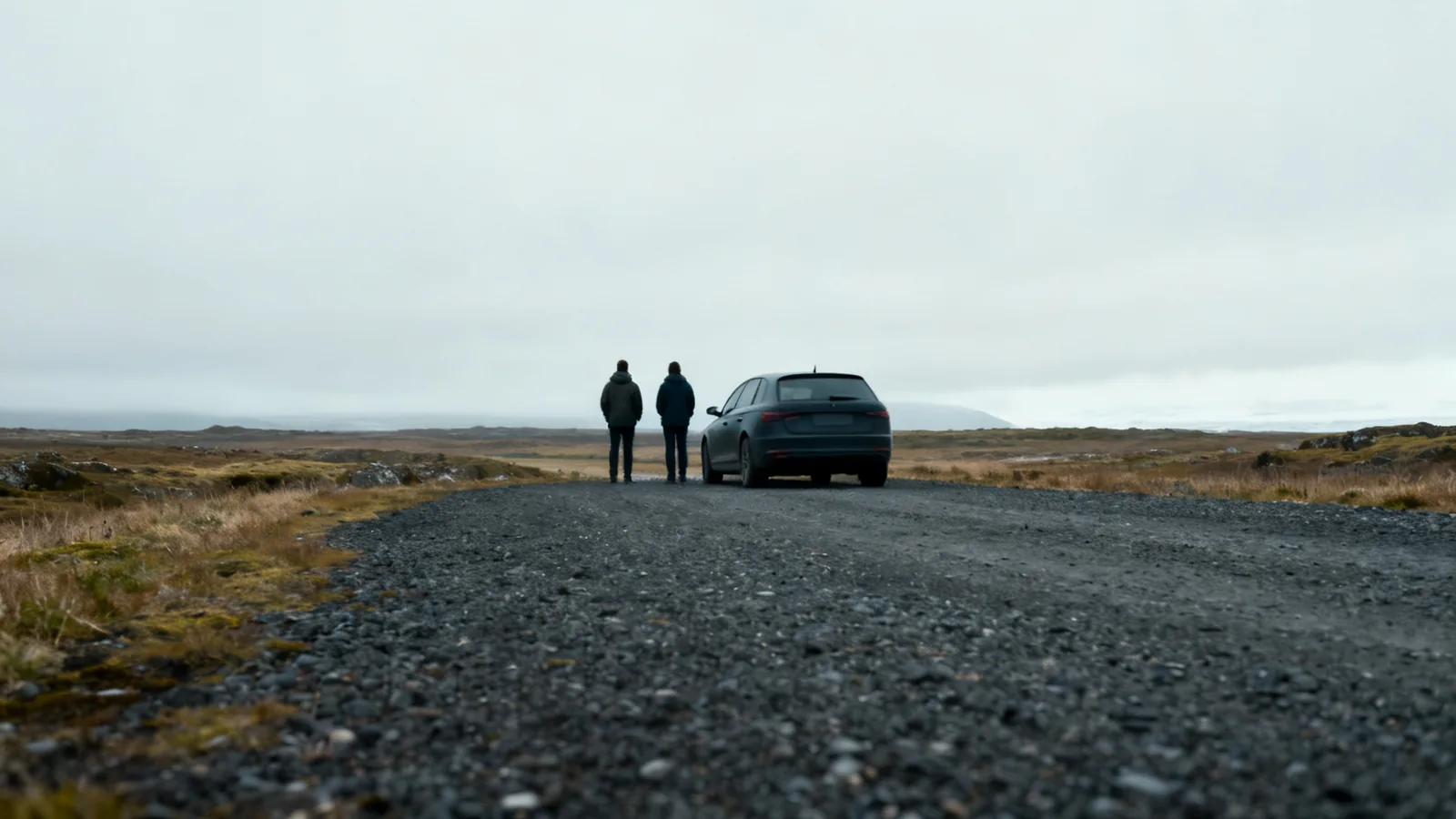
Compare VAREN, EastWest and Hidden Iceland private Golden Circle formats by vehicle, party size, agreed hours, lunch and time at Thingvellir.
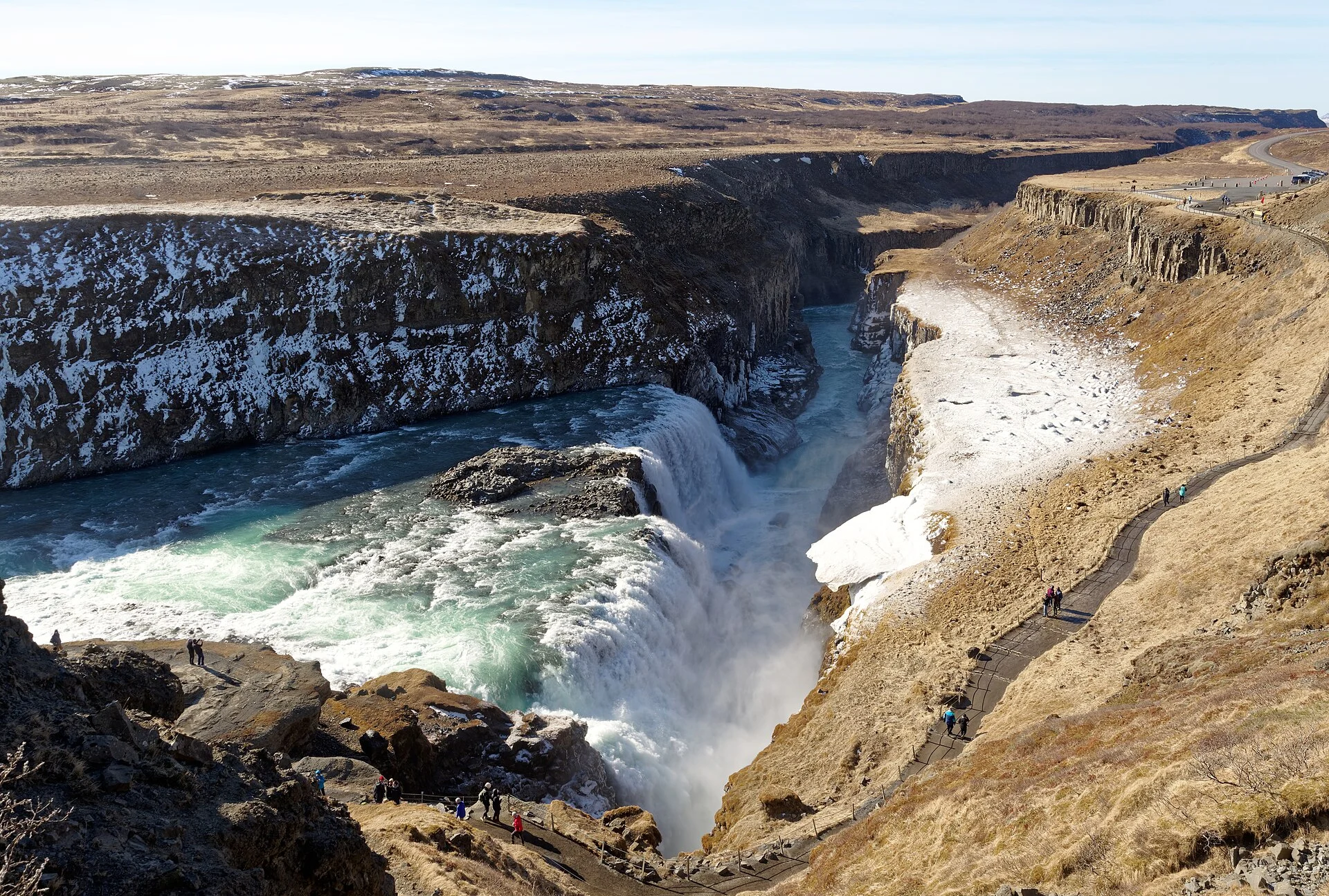
Plan Gullfoss around the upper and lower views, facilities and weather limits. Read the official source, then choose the route that suits your day.
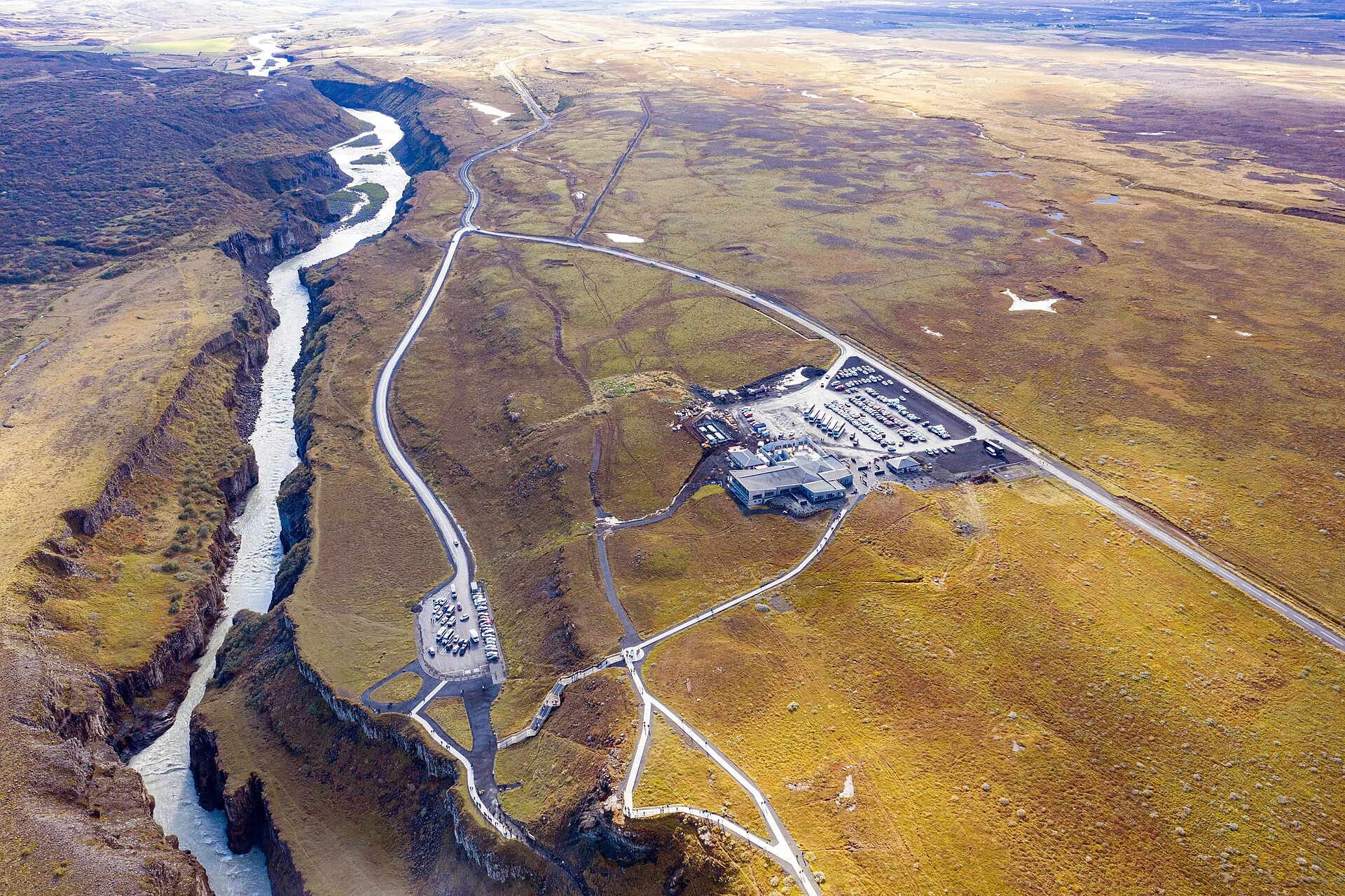
Separate Gullfoss admission, parking and service charges. Check the source for your lot and distinguish the proposed 2027 access charge from current rules.
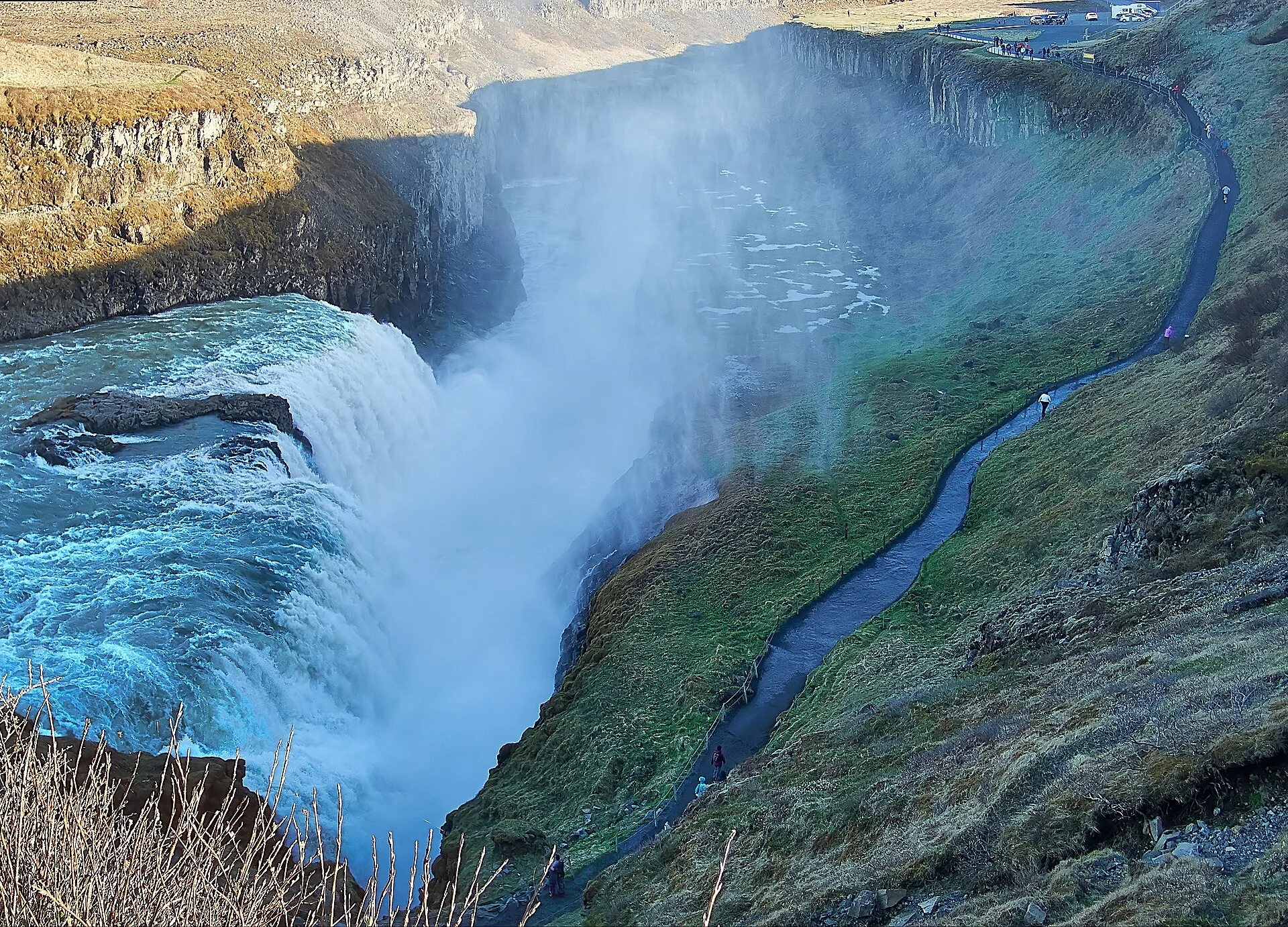
Compare Gullfoss viewing areas, stairs and the route toward the falls. Check closures and surfaces before choosing how far to walk.
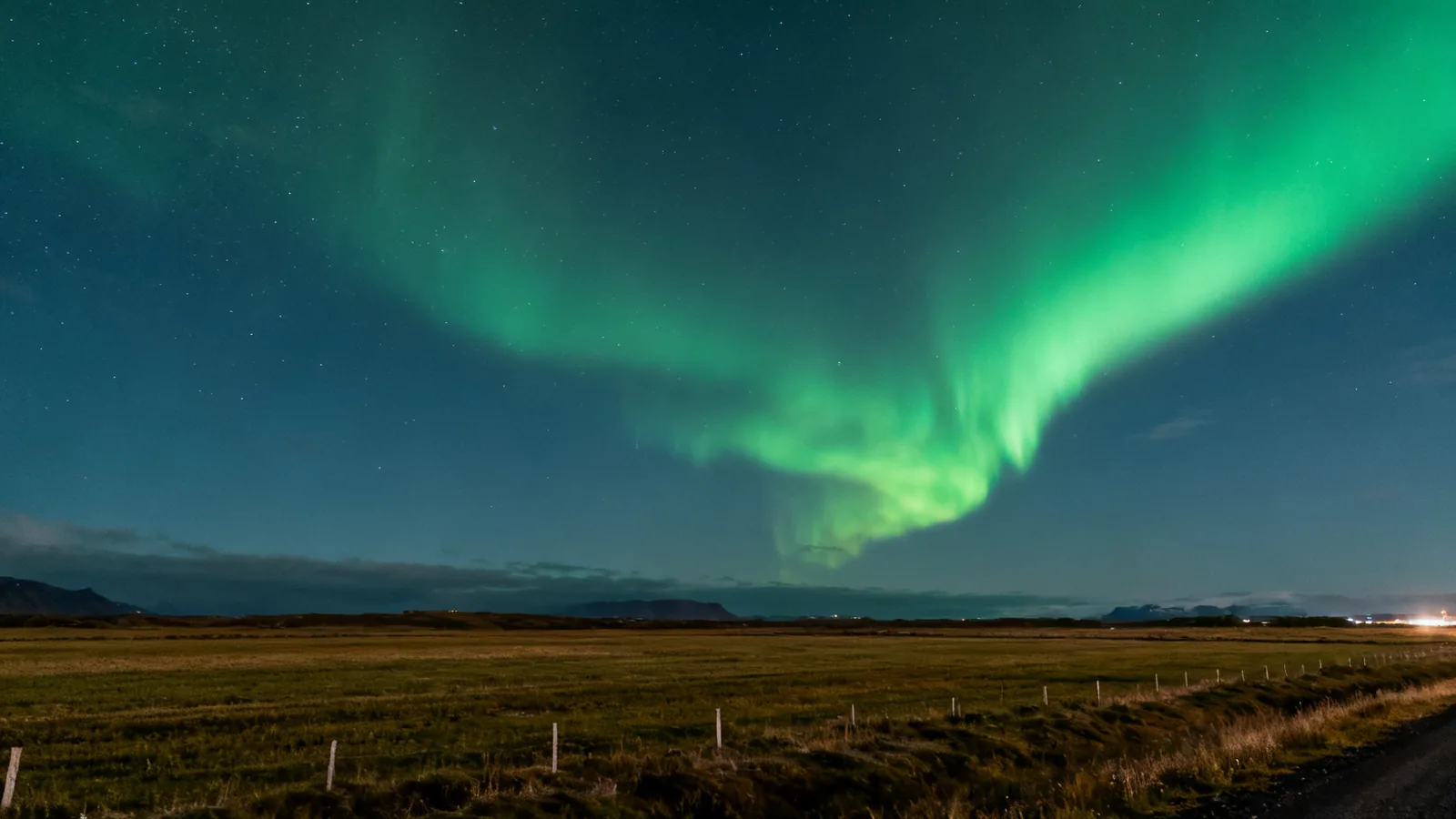
Plan an aurora outing at Thingvellir with official sky forecasts, a lawful stopping place and a clear return. Check cloud, roads and current park access.
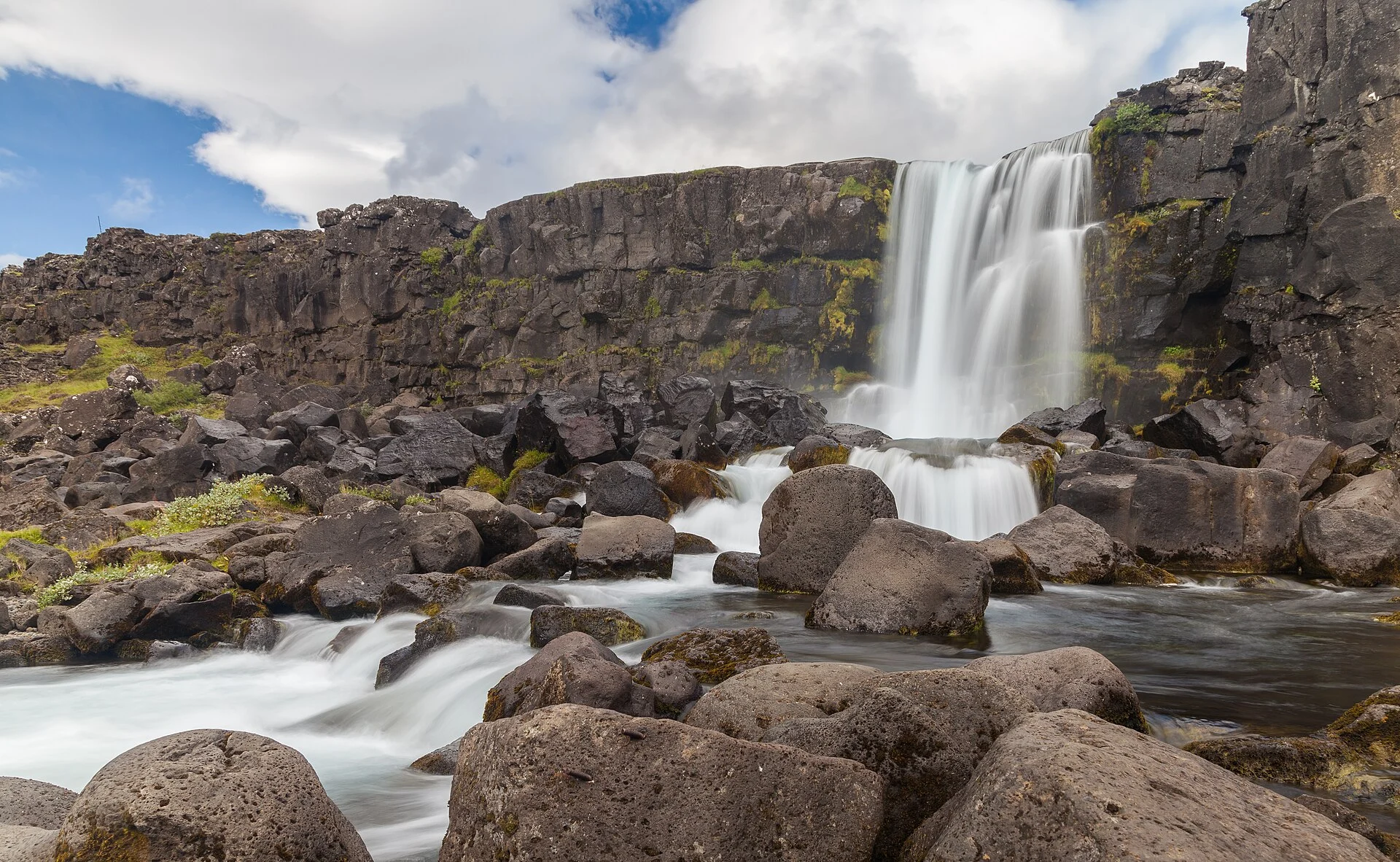
Plan Öxarárfoss using the official park map and parking approaches. Check path conditions, the return and how the falls fit your wider visit.

Compare Leirar cafe, Silfra at ION and Lindin by meal task and onward route. Confirm current service, dietary arrangements and the actual reservation.
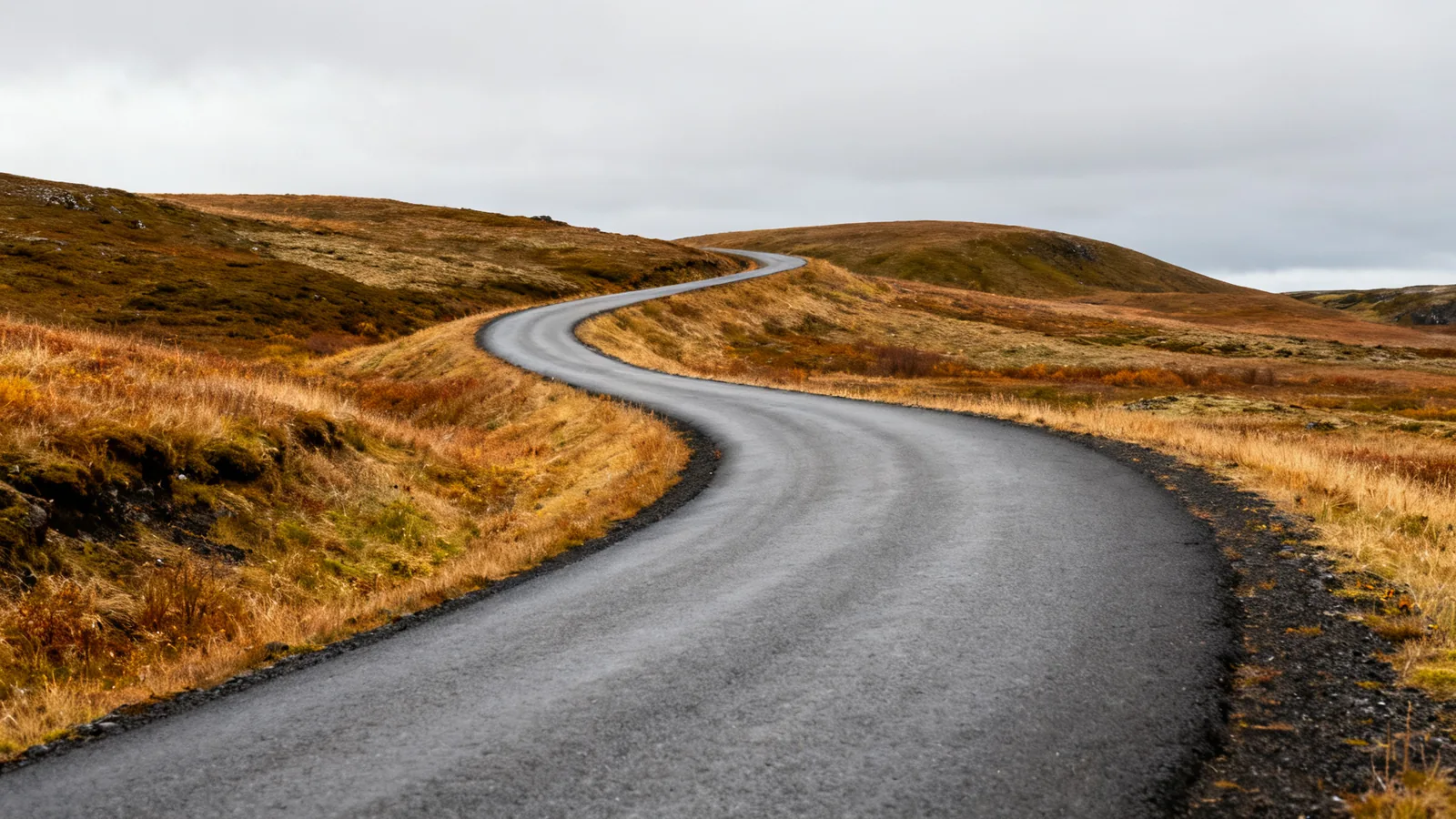
Compare driving, shared excursions and private transport from Reykjavik to Thingvellir. Keep the exact park arrival, pickup and return connection clear.
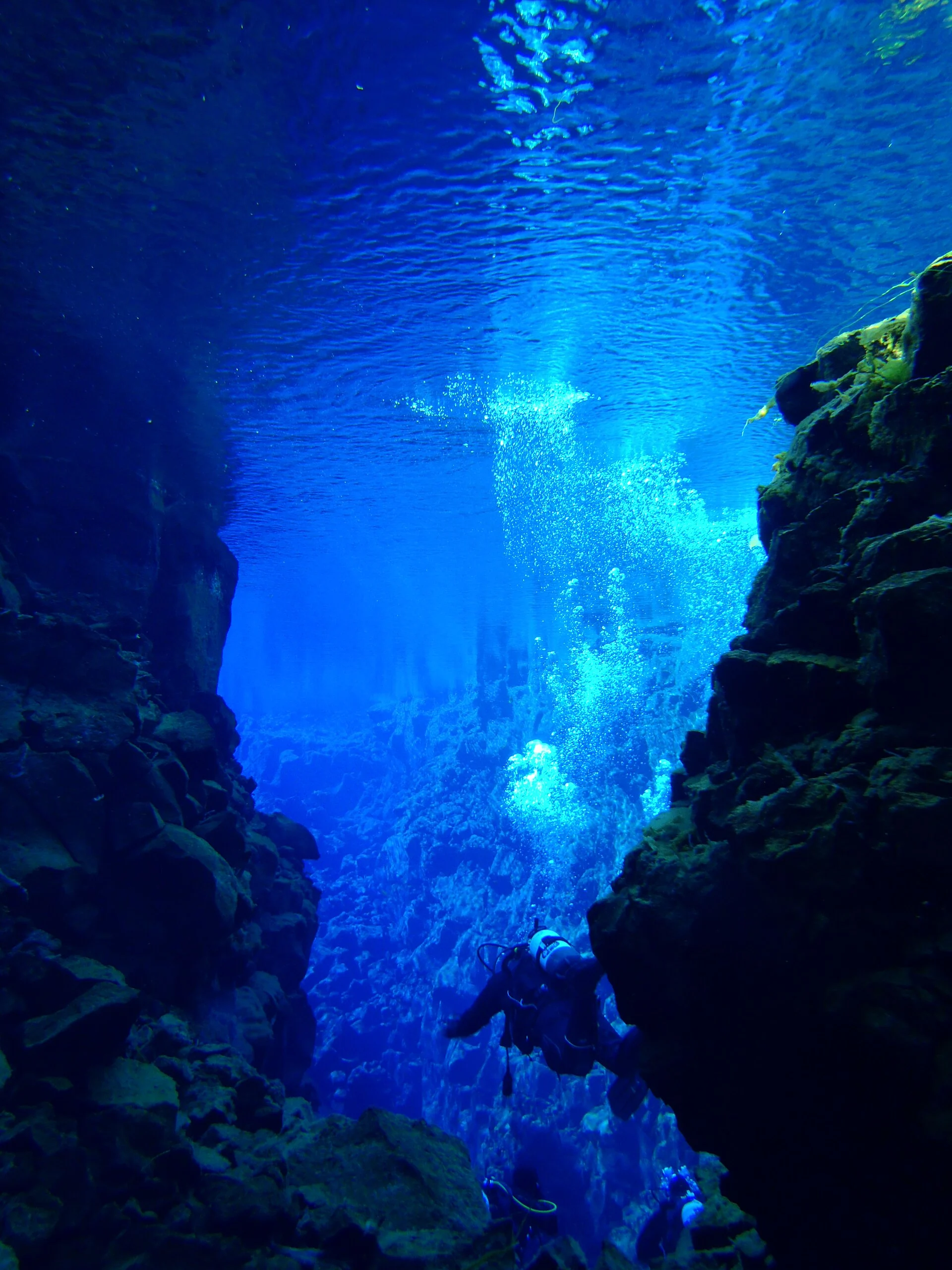
Check Silfra scuba qualifications, dry-suit proof and depth rules. Plan operator forms, equipment, transport and the whole visit before booking.
Compare three named Silfra snorkeling formats by guest requirements, transport and group needs. Check fit and forms before choosing the activity.
Compare Silfra scuba and snorkeling by qualifications, gear, group arrangements and the full visit. Check documents and fit before choosing.
Find the booked Silfra meeting area, separate it from P5 guest parking and water entry, and plan check-in with operator-specific directions.
Check Silfra snorkeling ages, suit sizes and adult accompaniment by operator. Resolve boundary wording and individual forms before a family booking.
Compare three named Silfra snorkeling tour formats by arrival, gear and group needs. Read the source-backed trade-offs before choosing.
Compare Silfra suit rules with the gear operators actually supply. Check fit, underlayers and changing facilities before choosing the product.
Plan winter Silfra snorkeling around guest requirements, current roads and time on land. Check the exact departure, gear and changing arrangements.
Watch Strokkur from the marked paths, distinguish it from Great Geysir, and plan the hot-spring stop around your Thingvellir visit.
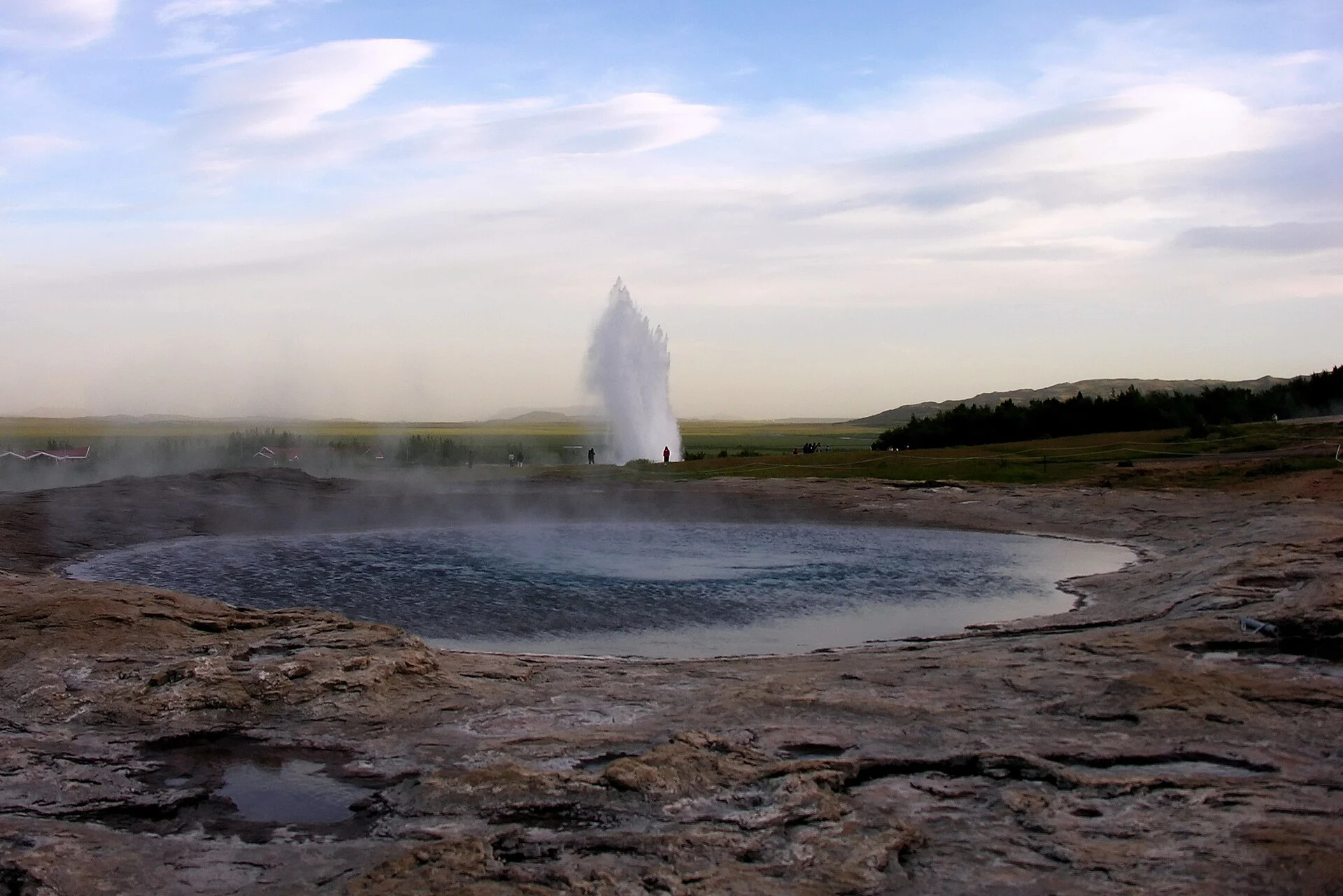
Find your way around the Geysir geothermal area. Distinguish its famous spring from Strokkur, check the paths and read the official access sources.
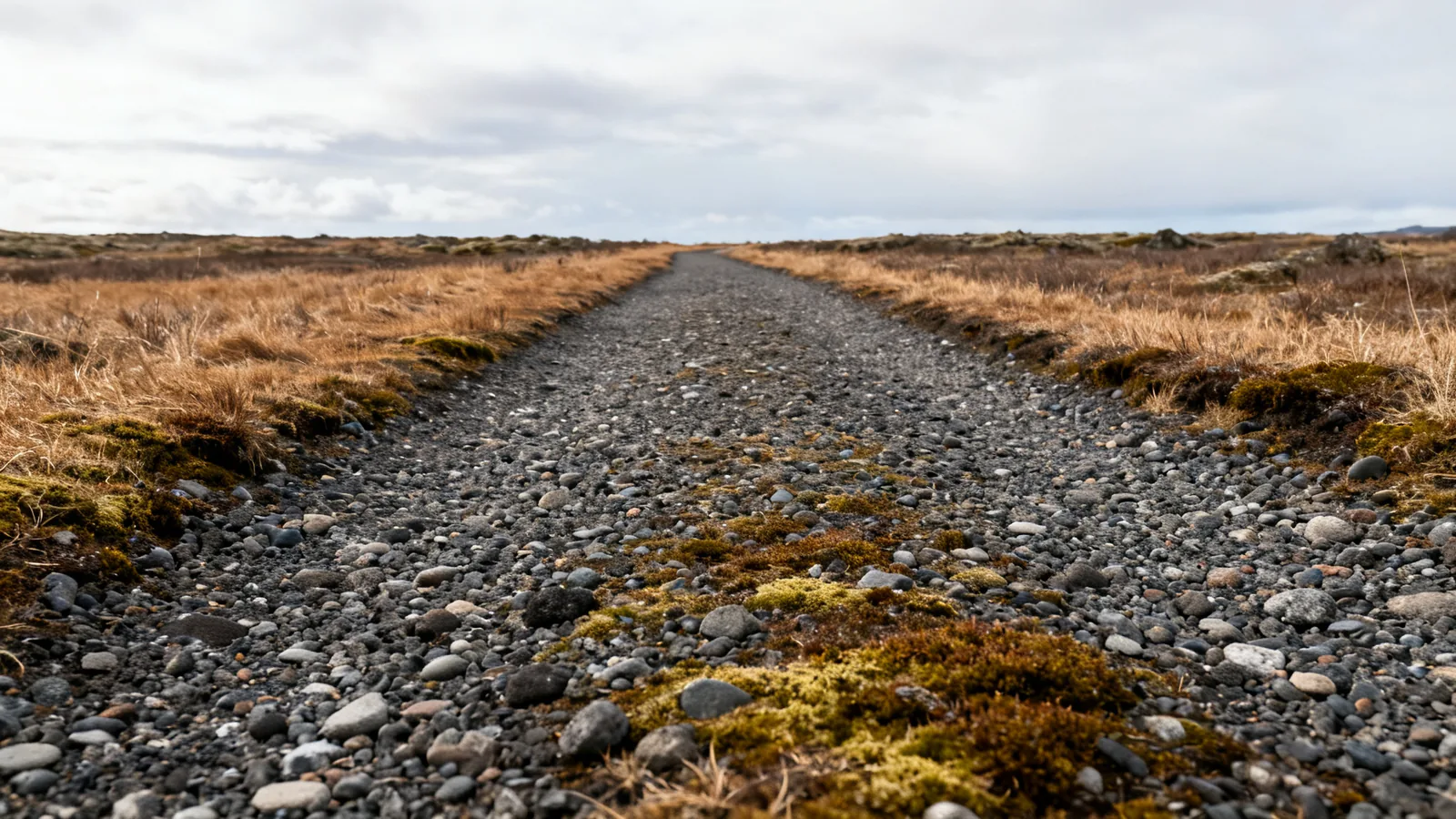
Choose a Thingvellir walk by purpose, parking and return. Use official maps for the assembly grounds and longer trails, with current path checks.
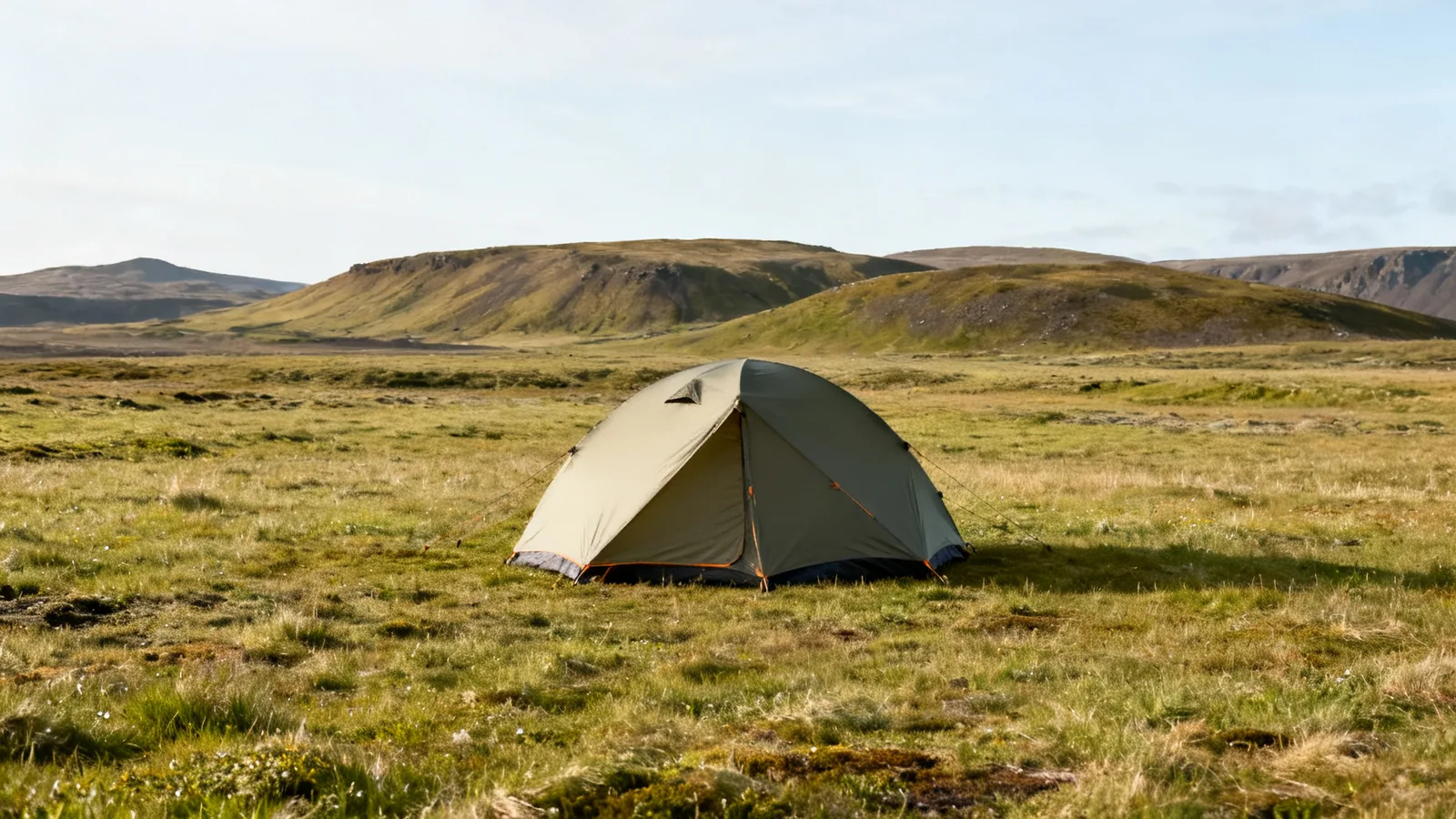
Compare the four official Thingvellir campsites by season, vehicle type and facilities. Check current fees, payment, winter arrival and site boundaries.

Read Thingvellir personal-drone time limits and the separate aviation checks. Distinguish the busy-area map, commercial filming and current flight rules.
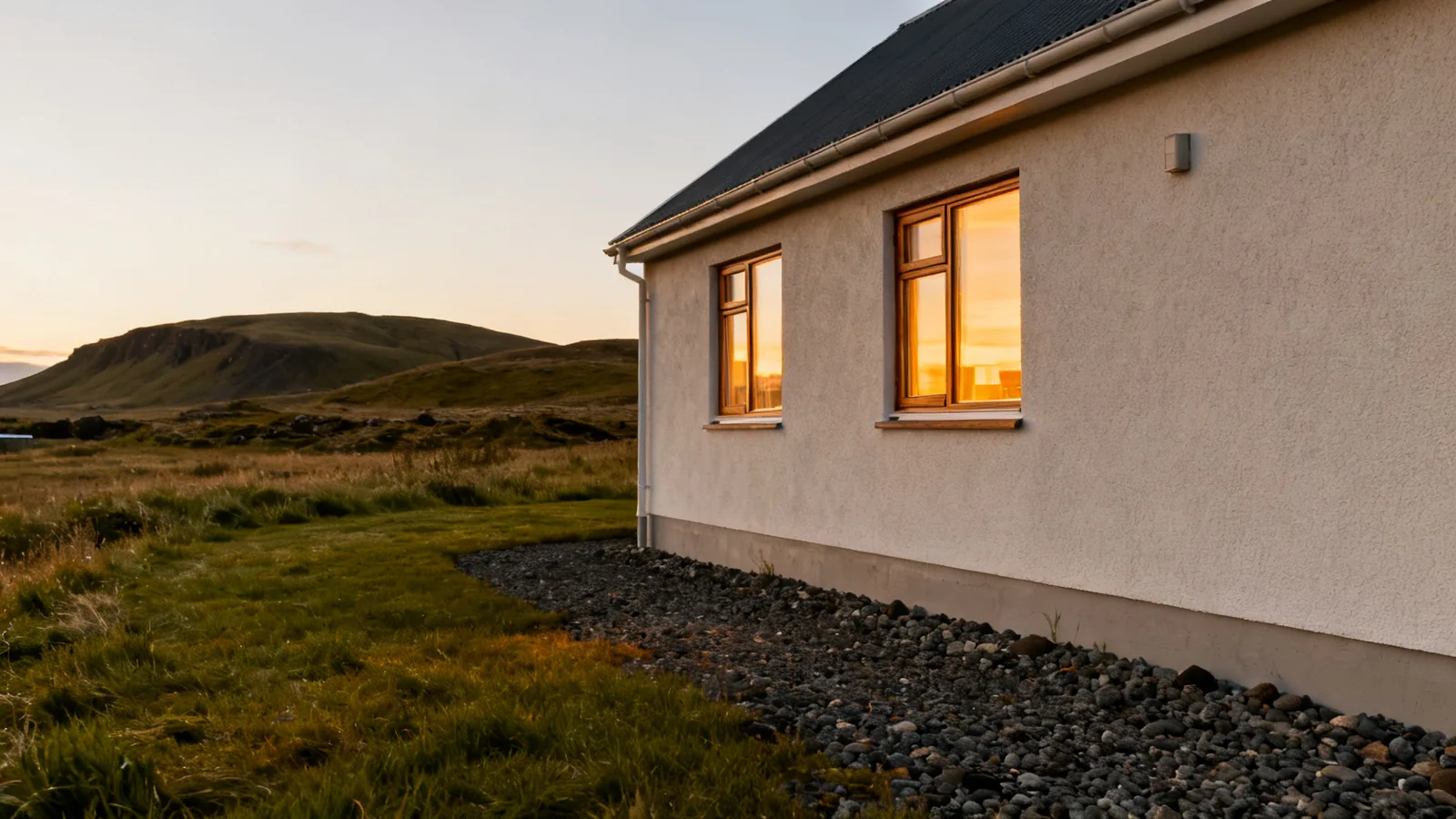
Compare named stays near Thingvellir by location, room type and road access. Choose a base that fits the park visit and the following day.
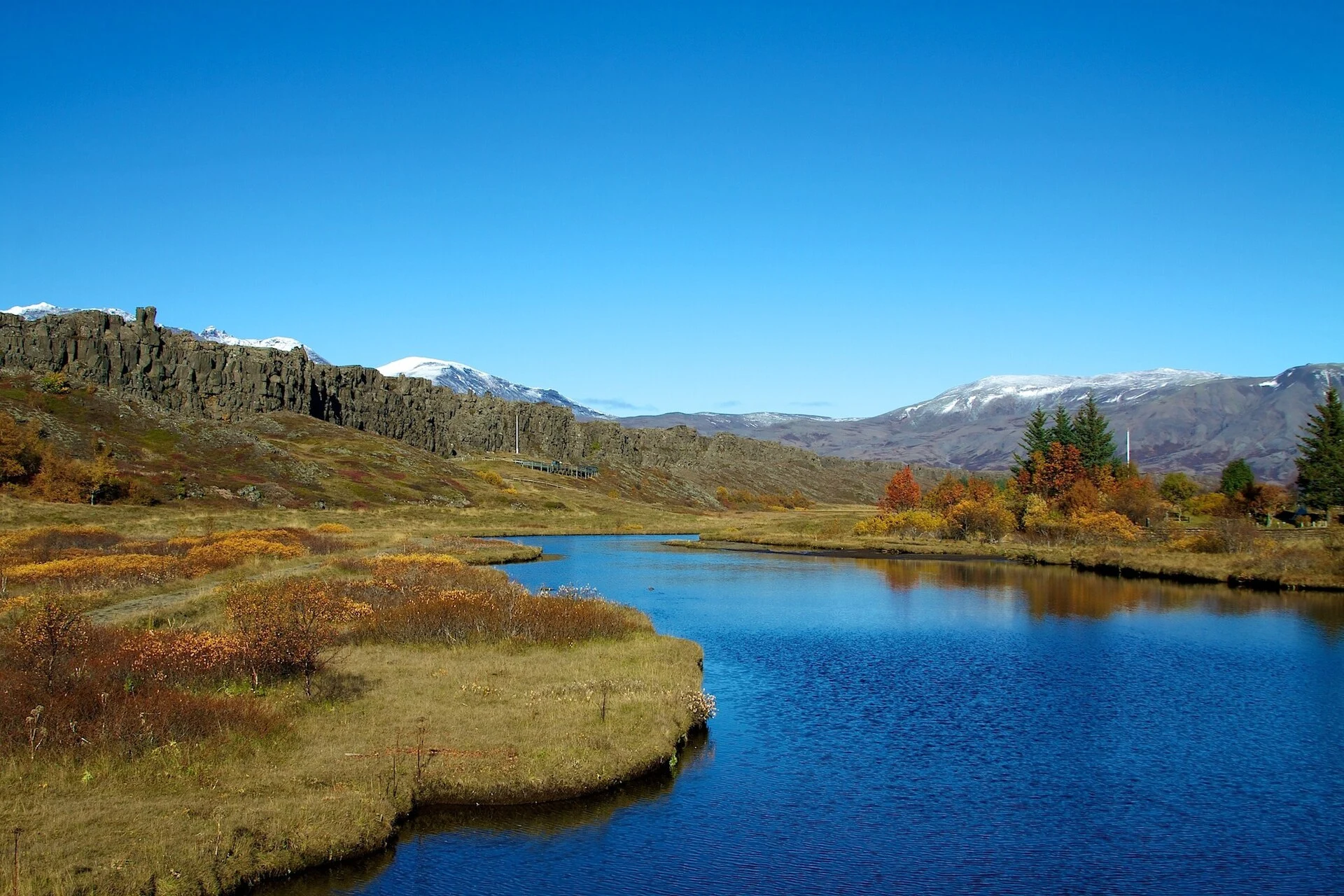
Find official Thingvellir maps and choose P1, P2 or P5 by the planned visit. Separate centres, activity check-in, static paths and current access.
Recognise Almannagja, the church and Oxararfoss in credited real photographs. Plan lawful viewpoints and keep image evidence separate from current access.
See what Almannagjá and Silfra show about rifting, read a clear process diagram, and avoid common claims about the edges of continents.
Follow the Althing story through a sourced timeline, Law Rock interpretation and booth remains. Distinguish the old assembly from modern markers.
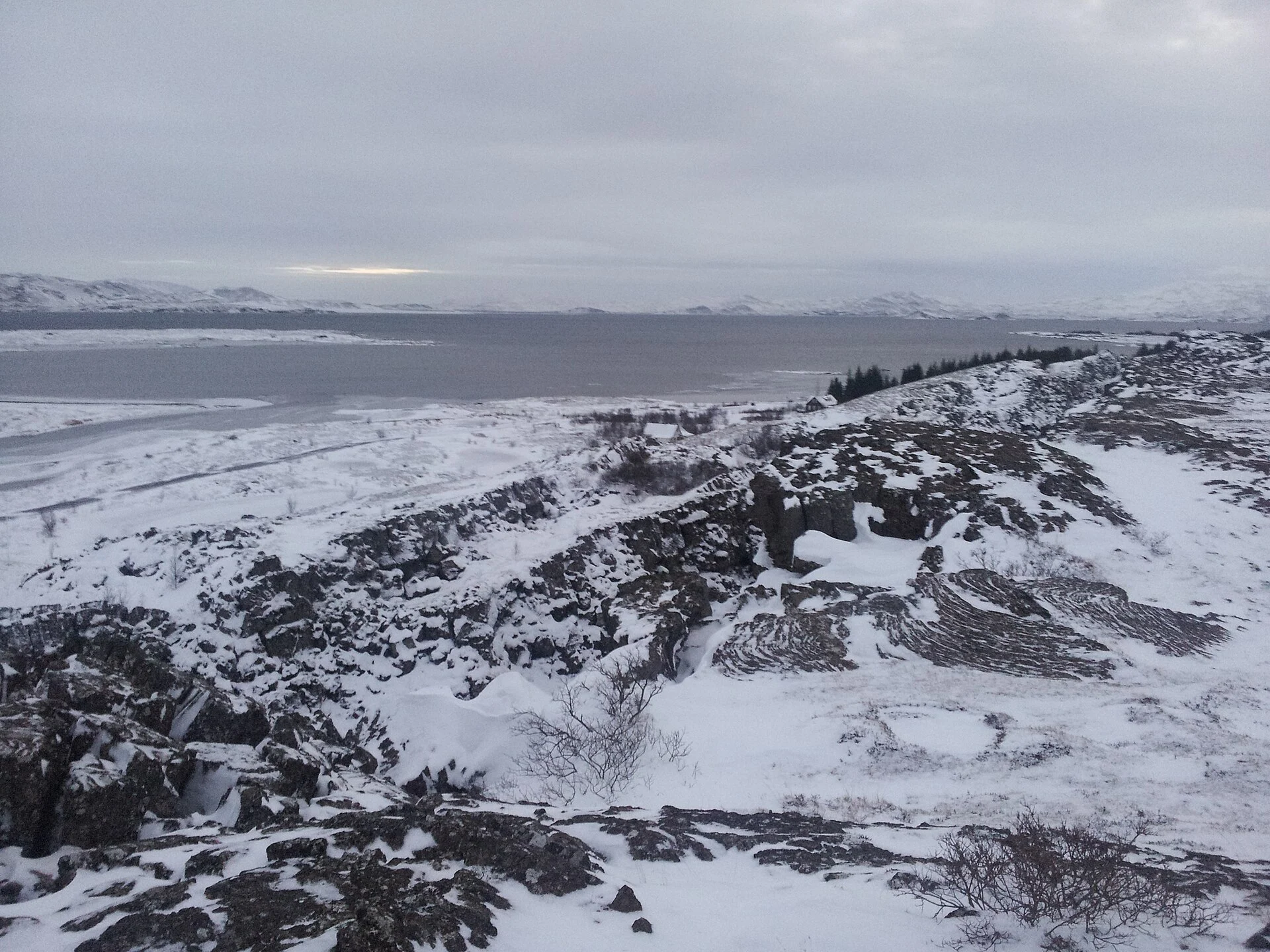
Understand Þingvallavatn, choose a permitted lake view, and separate shoreline visits from fishing or water activities with their own rules.
Find Þingvallakirkja, understand the present building and check ranger-dependent summer entry before planning an interior visit.
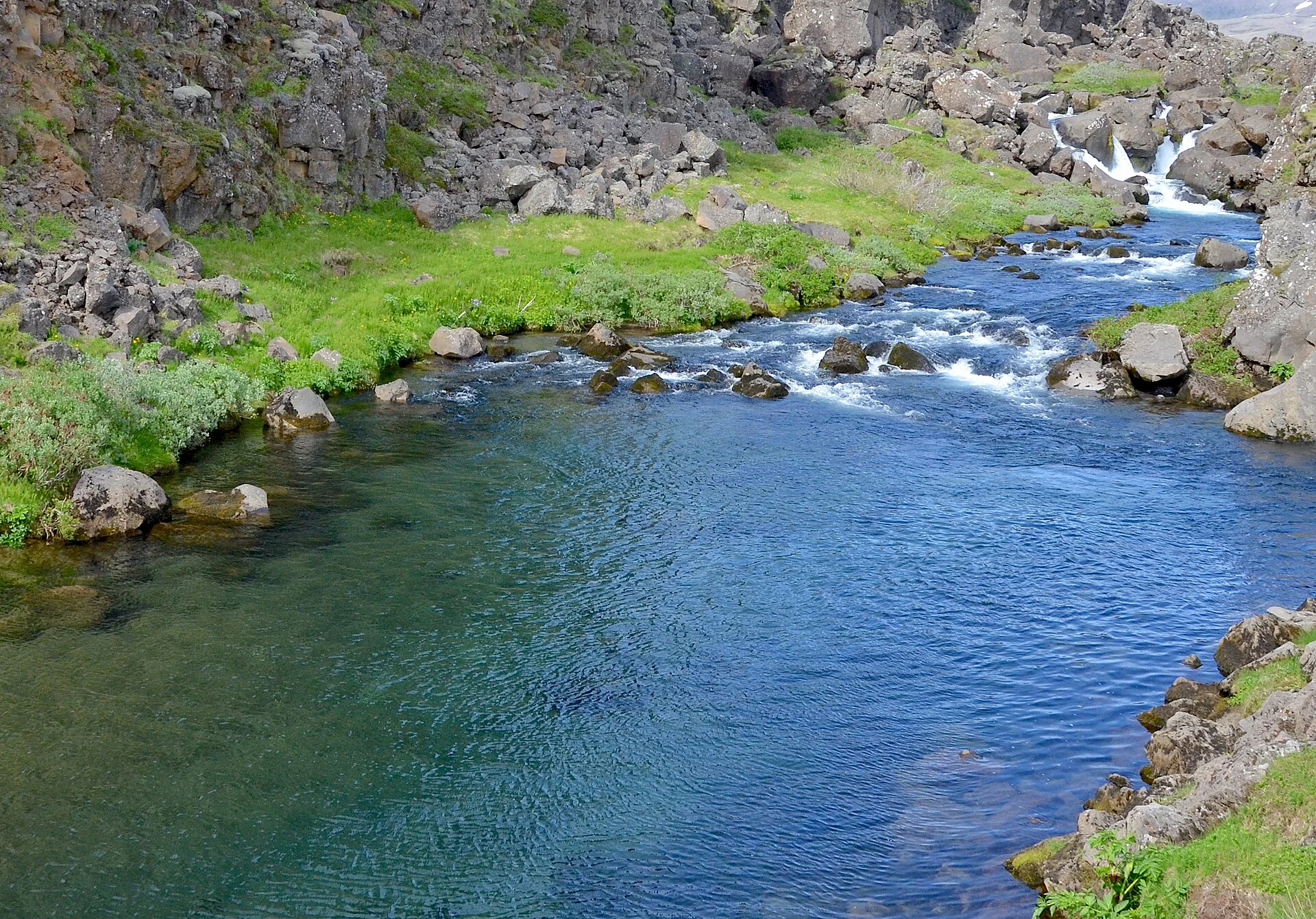
Find Drekkingarhylur on the established visitor route and read the park’s factual account of the pool’s place in later legal history.
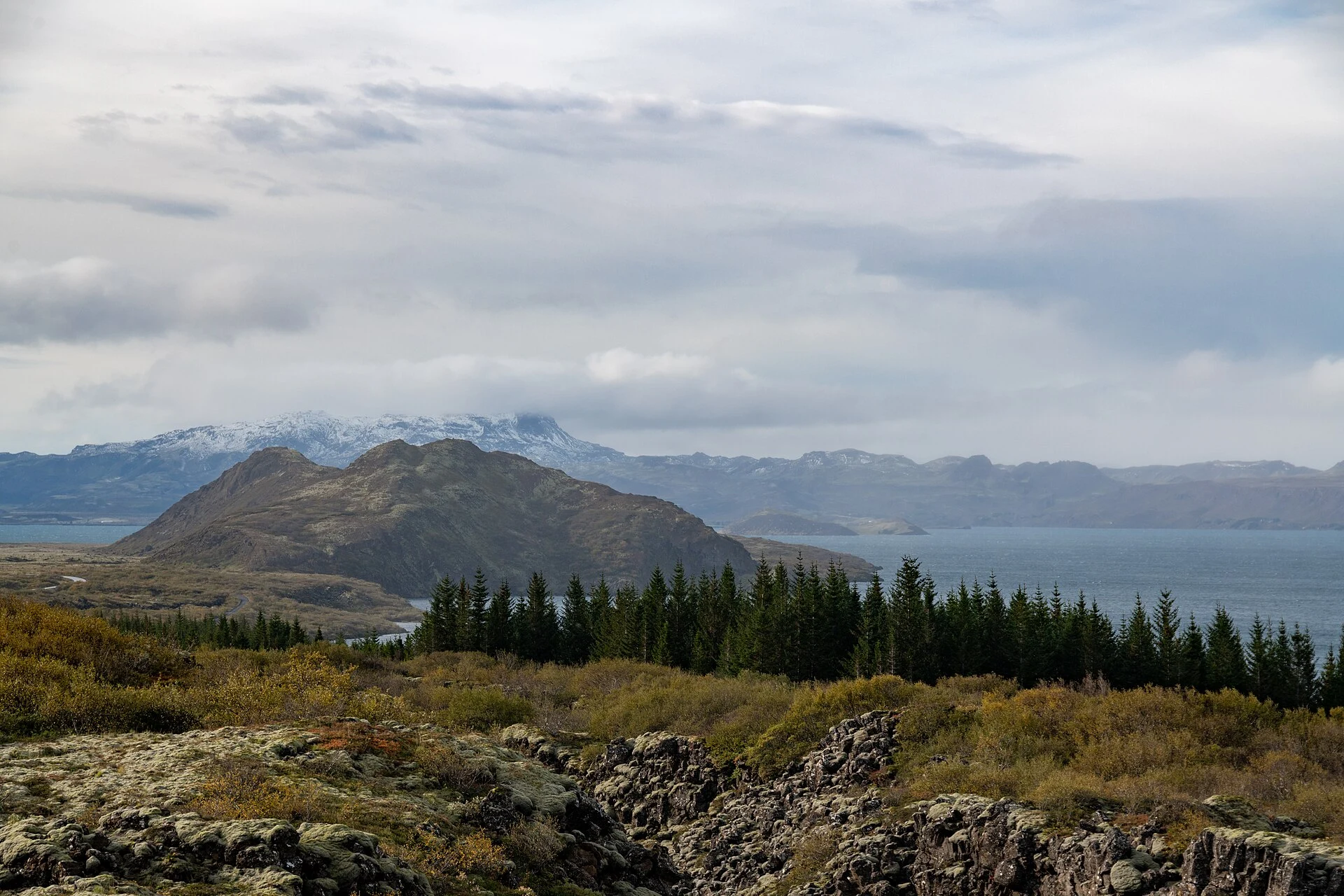
Read the Icelandic spelling Þingvellir, practise a labelled English approximation, and recognise the names used on park signs and maps.

Separate Thingvellir land access, parking, exhibition admission and booked activities. Read dated official rates and the correct supplier for each payment.
Use official weather, road and park notices for a Thingvellir visit. Separate seasonal climate context from current forecasts and activity decisions.

Plan a winter Thingvellir visit around current roads, a manageable marked walk and usable light. Check lots, centre hours, clothing and the return.
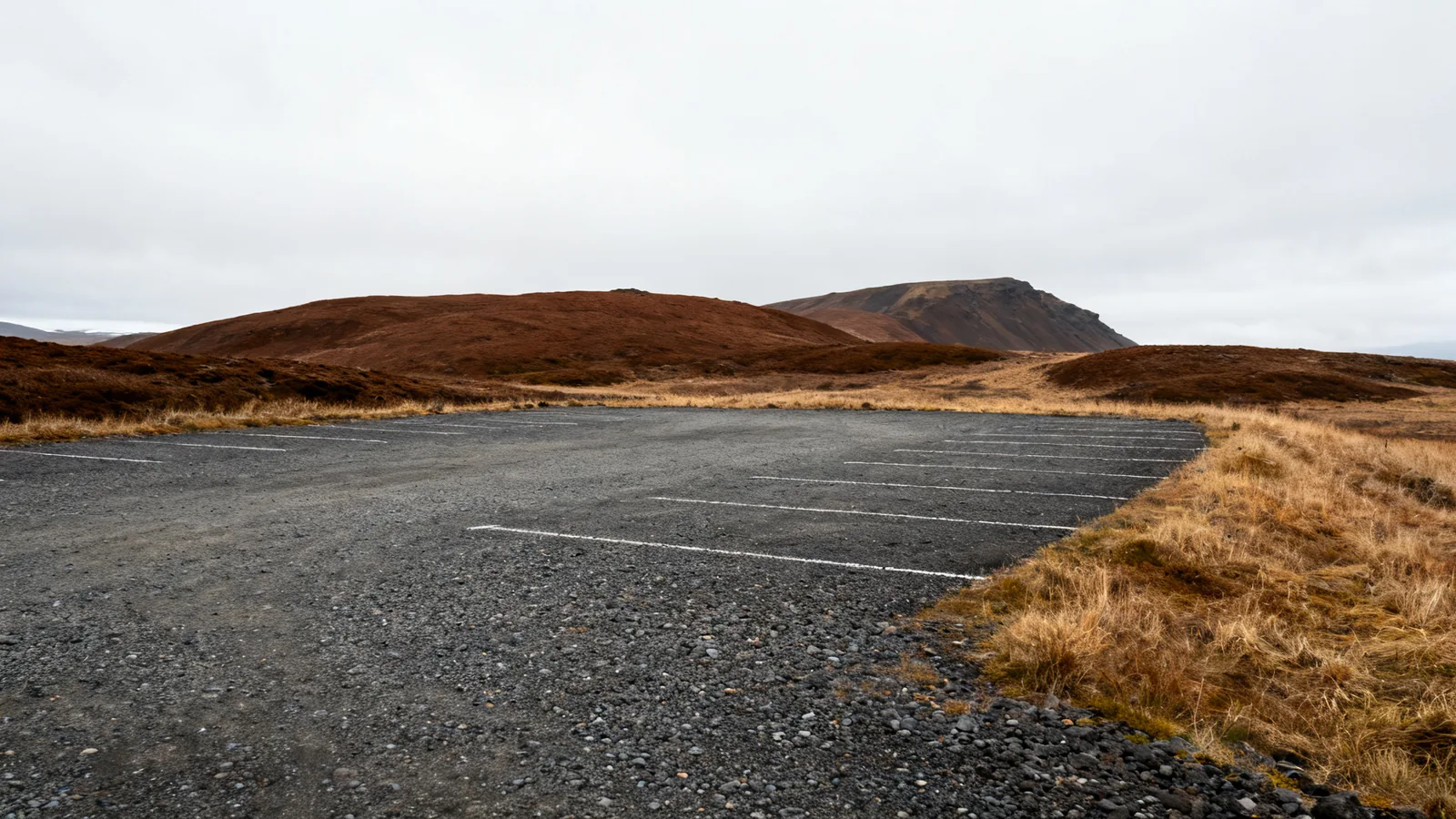
Choose Thingvellir P1, P2 or P5 by the walk. Read dated official vehicle rates, payment and plate instructions, with separate activity and overnight checks.
Compare ranger walks and named Golden Circle excursions by transport, time at the park and extra stops. Read the drawbacks before choosing.
Distinguish Hakid visitor centre from Leirar service centre. Compare exhibition, campsite tasks, facilities and dated official opening schedules.